Skip to content
Logo-main-white.860316a8

I/O Fund

  • Home
  • Free Stock Analysis
  • AI Stocks
  • BEST OF 2025
  • Analysts
  • Nvidia Hub
  • About
    • Case Studies
    • About Us
    • Premium Services
    • Pricing
    • Notable Wins
    • I/O Fund Reviews
    • Media
  • Contact Us

Category: Media

Update on $ROKU – Will Roku Miss Earnings?

Posted on May 8, 2019June 30, 2026 by io-fund
Update on $ROKU – Will Roku Miss Earnings?

Will Roku miss earnings? I believe Roku will miss earnings at times, but for the big picture, Roku is at the center of an important trend in advertising and this will make for decent returns now and sizable returns in the future. I also don’t play the earnings game often with stocks as my analysis does not change monthly or quarterly. My conviction on Roku is high and can withstand trade war news or a fledgling quarter, which is normal for smaller companies on the edge of incipient trends.

What Investors Got Wrong With Roku

The first thing Wall Street got wrong with Roku is that investors thought Roku was a hardware player. Although it is clear now that the ad platform is what will drive the profits, this wasn’t evident in the financials for a few earnings reports. My three pieces of analysis in 2018 were the opposite; I made my readers aware the ad platform was where the growth potential was.

The second thing Wall Street gets wrong is assuming Google or Amazon can dominate over-the-top television because they are Big Tech and smaller companies don’t have a chance. Google struggles here and recently raised the prices on YouTube television to $49, which for the most part, negates the purpose of cord-cutting when you add a few subscriptions like Netflix or HBO Go, and end up at the monthly cost of cable. Amazon is pushing into ads for OTT, however, there will be privacy regulations to face as the data powering those ads is being brokered without consent from e-commerce and Prime purchases. You can ask Facebook how that is going for them.

Roku has all of the pieces to the stack. The hardware is a razor-razor blade model that locks in their ad-supported platform. They’re OTT-only, and this prevents privacy issues for the data they collect from the device (this is why Apple is always in the clear with privacy issues – data stay s on the device).

Also Read : Prediction: Here’s Why Roku Will Be The Next Tech Darling

Analyst Expectations Low for Q1 2019

Interestingly, the consensus EPS forecast for Roku is negative $0.24 compared to negative $0.07 same quarter last year with analyst expectations of declining growth. Meanwhile, Roku had posted EPS of $0.05 last quarter. Here’s a screenshot of Roku’s earnings per share vs. consensus:

TradeDesk is also a Connected TV advertising player and reports on May 9th with analysts expecting declining growth from the previous quarter with estimates at $0.07 per share.

With that said, advertising is driving record profits for many companies who have already reported this quarter, such as Facebook and Twitter. This is why I’m surprised (and don’t necessarily agree with) the low analyst expectations for both Roku and TradeDesk as these expectations of -$0.24 for Roku and $0.07 for TradeDesk are some of the lowest in these stocks’ earnings histories (1+ year or more).

Also Read : Roku Q3 Earnings: Choppy But Unshakeable Long-Term

My Opinion “Long on Roku Even if They Miss Q1 Earnings”

That was my headline last May in 2018 even though Roku did not miss Q1 2018 earnings. My stance on this stock remains the same. Roku is a core holding of mine because of the mega trend towards Connected TV advertising. To put it simply, and as I wrote before Q1 2018 earnings were reported, Roku beating or missing earnings is not my focus for a long strategy based on an important trend. I fully expect tech companies to miss earnings from time to time (this creates better buying opportunities). This won’t change my conviction that Connected TV advertising is on an important upward trajectory.

Here’s some more information on the Connected TV market:

“Two of the big trends in digital media aren’t compatible: The drive to enforce viewability standards and the shift to mobile, particularly apps.” – Digiday

Viewability issues are a serious issue for big brands who are averse to mobile in-app advertising because it’s too challenging to track. In addition, many big brands do not need immediate purchases which is called “purchase intent” – which is mobile’s main value over television.

For instance, Coca-cola doesn’t expect you to buy a soda immediately after seeing an ad. Audi doesn’t expect you to buy a car immediately either. So, a lot of the benefits of mobile aren’t worth the downside to these big brands. Advertising budgets shifted to mobile because they had to find audiences, not because it’s a superior method to advertise.

 Here’s how the two compare:

  • Pay TV has high completion rates as viewers are comfortable in their homes and better prepared to receive advertisements.
    undefinedundefined
  • Mobile offers audience data to better target viewers based on individual preferences.
    undefinedundefinedundefined

Connected TV advertising, which is Roku’s specialty, combines the best of both television and mobile. It offers 100% viewability and completion rates with the audience data and dynamic ad insertion found on mobile. Forbes covered this in a recent article which stated Ad Supported OTT is the future reporting OTT ads have a 97% completion rate and 100% viewability.

In a recent study by FreeWheel, 200 billion video starts found OTT ads had ballooned from 2% to 32% in a four-year period due to heavier investments from advertisers.

In the Q2 2018 Video Advertising benchmark study released by Extreme Reach, a tech platform for video ad campaigns, connected TV impressions overtook mobile, accounting for 38 percent of all video ad impressions down from 33 percent in Q1.

Also Read : Roku’s Stock Price: Will There Be Another Pullback?

Here’s a quote from Extreme Reach:

“CTV is clearly on the path to becoming the dominant platform for media consumption, and premium inventory is the most sure-fire audience draw.”

– Mary Vestewig, Senior Director, Video Account Management at Extreme Reach.

AppNexus, the world’s leading independent advertising technology company, announced in July of 2018 that advertiser spend in its connected TV marketplace grew 748% year-over-year versus the second quarter of 2017 and 68% quarter-over-quarter. AppNexus currently sees 20 billion monthly connected TV impressions per month.

From an investment standpoint, the implications of attracting more advertising dollars than mobile is enormous. Big brand budgets have been looking for a solution to traditional television that isn’t confined to the attention span and limited screen size of mobile viewers. With Roku, that option is finally here.

Please note: I’ve also covered TradeDesk, another stock doing well by capturing the Connected TV advertising trend. You can read that analysis here on FATrader and why the risks with TradeDesk have personally kept me from buying the stock although many of my readers have seen 400% returns on $TTD.

This analysis is not an earnings call. The purpose of this article is to revisit a few trends and predictions I made around this time last year in regards to Roku.
Posted in Ctv, Financial Markets, Media, Svod, Tech StocksLeave a Comment on Update on $ROKU – Will Roku Miss Earnings?

Prediction: Here’s Why Roku Will Be The Next Tech Darling

Posted on November 7, 2018June 30, 2026 by io-fund
Prediction: Here’s Why Roku Will Be The Next Tech Darling

Roku’s earnings report for Q3 is scheduled on a potentially volatile trading day depending on how the broader markets react to the mid-term elections. The uncertainty around this outcome, along with rising rates, geopolitical trade uncertainty, and a host of companies tempering their Q4 outlook has caused a style rotation, which has pummeled tech stocks. Regardless, Roku is a mid-cap growth stock in the tech sector that will continually prove itself against headwinds as the company is poised to become one of the most opportunistic growth stories in the market by 2023.

The reason for this is simple: connected TV advertising combines the high engagement of traditional television with the audience targeting capabilities of mobile. These previously two competing forces will combine to create the next advertising phenom, and Roku will emerge as the tech darling of this ever-important shift in ad dollars.

Pay TV Attrition is a Blood Bath

Pay TV has had better decades. The peak for Pay TV user growth in the United States occurred in 2011 when it began an inevitable erosion due to bloated, costly monthly packages, a lack of flexibility for on-demand, and advertising-stuffed programming choices. The following year, pay TV subscribers fell by 8,000 in 2012, which accelerated to 164,000 subscriber losses in 2014. Three years later, those losses grew 20x to a staggering 3 million subscribers (source: Leichtman). And by 2023, live-linear OTT video subscriptions will surpass traditional broadcast TV[1].

Cord-cutters have driven a formidable marketplace. In fact, the global OTT devices and services market will reach $165 billion in 2025 compared to $29 billion in 2015[2].

Also Read : Update on $ROKU – Will Roku Miss Earnings?

“All TV is now OTT” –ABI Research

Roku offers the most synonymous OTT business model with cable and satellite TV providers and can capitalize long-term on this massive subscriber loss by leveraging its advertising, audience development and content distribution services, which make up 89% of gross margins from the platform. As of Q2 2018, if Roku were a traditional cable TV company, the 22 million active subscriber base would rival Comcast as second largest distributor of content in the United States. Only AT&T has more with 47 million DirecTV subscribers. Compare this to Charter Communications, which has a $65 billion market cap and only 16 million users or Comcast with a $171 billion market cap with the aforementioned 22 million subscribers. Roku’s market cap is at $6 billion with shares priced at $56 with the same number of users as Comcast.

The Next Phenom in Tech is Connected TV Advertising

I’ve covered Roku extensively in previous analysis including strengths on how the company is vendor agnostic, player vs platform revenue and the company’s global potential. Connected TV advertising, however, is by far the most important piece for Roku’s trajectory.

Bear with me here as I talk about some of the problems and technicalities in the advertising industry, and why Roku is well positioned.

As Digiday puts it, “Two of the big trends in digital media aren’t compatible: The drive to enforce viewability standards and the shift to mobile, particularly apps.”

Viewability issues are a serious issue for big brands who are averse to mobile in-app advertising because it’s too challenging to track. In addition, many big brands do not need immediate purchases which is called “purchase intent” – which is mobile’s main value over television.

For instance, Coca-cola doesn’t expect you to buy a soda immediately after seeing an ad. Audi doesn’t expect you to buy a car immediately either. So, a lot of the benefits of mobile aren’t worth the downside to these big brands. Advertising budgets shifted to mobile because they had to find audiences, not because it’s a superior method to advertise.

Also Read : Roku Q3 Earnings: Choppy But Unshakeable Long-Term

Here’s how the two compare:

  • Pay TV has high completion rates as viewers are comfortable in their homes and better prepared to receive advertisements.
    undefinedundefined
  • Mobile offers audience data to better target viewers based on individual preferences.
    undefinedundefinedundefined

Connected TV advertising, which is Roku’s specialty, combines the best of both television and mobile. It offers 100% viewability and completion rates with the audience data and dynamic ad insertion found on mobile. Forbes covered this in a recent article which stated Ad Supported OTT is the future reporting OTT ads have a 97% completion rate and 100% viewability.

In a recent study by FreeWheel, 200 billion video starts found OTT ads had ballooned from 2% to 32% in a four-year period due to heavier investments from advertisers.

In the Q2 2018 Video Advertising benchmark study released by Extreme Reach, a tech platform for video ad campaigns, connected TV impressions overtook mobile, accounting for 38 percent of all video ad impressions down from 33 percent in Q1.

Here’s a quote from Extreme Reach:

“CTV is clearly on the path to becoming the dominant platform for media consumption, and premium inventory is the most sure-fire audience draw.”

– Mary Vestewig, Senior Director, Video Account Management at Extreme Reach.

AppNexus, the world’s leading independent advertising technology company, announced in July of 2018 that advertiser spend in its connected TV marketplace grew 748% year-over-year versus the second quarter of 2017 and 68% quarter-over-quarter. AppNexus currently sees 20 billion monthly connected TV impressions per month.

From an investment standpoint, the implications of attracting more advertising dollars than mobile is enormous. Big brand budgets have been looking for a solution to traditional television that isn’t confined to the attention span and limited screen size of mobile viewers. With Roku, that option is finally here.

Also Read : Roku’s Stock Price: Will There Be Another Pullback?

Subscriptions are Saturated

Subscription video-on-demand (SVOD) comprises 40 percent of the OTT market with the majority of the revenue coming from the United States. By 2022, SVOD penetration will be 132% of US TV households with many homes having more than one SVOD platform[1].

Total SVOD is expected to reach 171 million by 2022 – up from 59 million in 2016 reflecting a 53% increase.

Previously, viewing data and ratings on SVOD (subscription video on demand) such as Netflix (NFLX), Hulu Plus, and Amazon Prime and other OTT content was not disclosed even by Nielsen (NLSN). However, in a recent interview, Nielsen COO Steve Hasker revealed four previously undisclosed statistics about SVOD such as 89.5% of SVOD content is primarily viewed on the television glass whereas 11.5% is viewed on smartphones and tablets.

Of this time, 80% is spent on catalog programming whereas 20% is spent on original content. For definition purposes, Netflix is original content and something Roku or Amazon Prime offers is considered catalog programming.

Meanwhile, as competition increases, the costs for original programming are escalating with Netflix spending $8 billion in 2018 in order to remain competitive for a small piece of the pie (20% of how time is spent).

Roku has held firm on not creating original programming and the statistics support this. The costs for original programming are likely to escalate as HBO, Showtime, Apple, and now Disney developing its own channel for 2019, will continue to compete for this space.

In addition, subscribers pay for quite a few premium $8+ subscription channels, which will eventually lead to subscription fatigue – not to mention mitigate the reason cord-cutters leave pay TV services – which is to lower costs. For a subscriber with YouTube TV ($40) and three premium channels ($24-26), they are paying $65+ per month. This pricing will meet resistance by cord cutters and ad-supported OTT will continue to be a solid choice for viewers.

Conclusion:

Roku is executing on a market trend that will defy typical growth trajectories. Brand budgets are migrating towards Connected TV as a superior method of advertising over mobile. The Roku Channel launched in October 2017 and is already a top 5 channel by active account research. Investors should keep a close eye on platform revenue, which was up 96% YoY to $90.3 million in Q2. The trailing 12-month ARPU in Q2 increased 48% YoY to $16.60 and was “driven by strong growth in video advertising as we continue to capture more share of TV ad budgets,” as the company stated in their shareholder letter.  Due to connected TV advertising trajectories, I am long on Roku for the next 3-5 years.

Click here for more information on why Roku stock will reach $100 in the next two years.

All analysis contained herein should be appropriately credited to Beth Kindig.

Posted in Ctv, Media, Svod, Tech Stocks, Tech StocksLeave a Comment on Prediction: Here’s Why Roku Will Be The Next Tech Darling

Can Programmatic Ads Save Spotify?

Posted on November 2, 2018June 30, 2026 by io-fund
Can Programmatic Ads Save Spotify?

Summary: According to Q3 earnings calls, Spotify may seek to broker user data in order to keep average revenue per user afloat. Known as programmatic advertising, this method of monetizing data to supplement music revenue may be Spotify’s only hope to stave off competitors who nip at the heels of the music-streaming app

Portions of this article were originally published September 27th, 2018 under 8 Reasons Spotify will be a Sell Recommendation by 2019 at $184 per share. This analysis has been updated to include the recent partnership with Google and programmatic offering Ad Studio.Spotify will be a Sell Recommendation by 2019 at $184 per share. This analysis has been updated to include the recent partnership with Google and programmatic offering Ad Studio.

Half Full or Half Empty? -6% ARPU in Q3 Compared to -12% ARPU in Q2

Spotify Technology met its Q3 forecast for paying subscribers and a few other metrics, but average revenue per user declined due to promotional accounts for families and students. Spotify ended the period with 87 million Premium subscribers worldwide, up 40% year-over-year. Spotify has 109 million monthly active users of its advertising-supported streaming service, up 8 million from Q2 or 20% YoY.

This quarter, Spotify’s average revenue per user percentage has improved but QoQ growth is still in the red. Average revenue per user declined to $5.50 in Q3 from $5.83 in Q2, or -6% following -12% the previous quarter.

Costly Partnership with Google

Spotify lacks the razor-razor blade Gillette analogy for tech companies, which in this case states you should have ownership of a device if you want to bank on the subscriptions. This is one reason I’ve been long on Roku since its IPO. Roku players are the cheap razors that will deliver the razor blades of ad-supported content in the OTT market. (You can read my analysis on Roku here). However, this lack of device ownership is causing trouble for Spotify. Smartphones dominated by Apple and Google are only part of the story. At home assistants such as Alexa are being designed and leveraged specifically for AI activated music services. To get a glimpse of Spotify’s future, consider that major record labels let Amazon offer a reduced Alexa version of the premium service at $3.99 per month and Apple is requiring users to sign in to Apple Music to power the HomePod – which completely shuts out devout Spotify users.

Spotify’s new strategy is to partner with Google to offer free Google Home Mini speakers to users who subscribe to the Family plan as part of a holiday season promotion. The partnership comes at a cost of approximately 50 basis points to the Gross Margin profile in Q4, the company noted. From Google’s standpoint, they get their entry level smart speaker into more homes, while Spotify benefits by having a partner for smart home infrastructure. Ultimately, this is one example of the lengths Spotify will have to go to in order to compete with Apple and Amazon on their home turf.

My newsletter subscribers get this information first. Sign up here.My newsletter subscribers get this information first. Sign up here.here.

Apple has Homefield Advantage

Most certainly, Apple won’t be beat in its own ecosystem. Apple revolutionized digital music with the iPod and iTunes. With smartphone penetration, the Beats acquisition, its Homepod ecosystem and a huge push into connected car infotainment, Apple can surround Spotify in nearly every direction. Keep in mind, that 66% of the world’s paying app users are iPhone users who trend towards higher incomes (vs. only 34% on Android), so Apple users are supremely important for Spotify’s $9.99 subscriptions.

In fact, the turf war has already receded Spotify’s market share. Record industry sources state Apple is adding paying subscribers at a rate of 5 percent in the U.S. versus 2 percent for Spotify, and that Apple Music may have already taken over Spotify as the number one streaming service in the United States.

In addition, Apple was cleared to complete the acquisition for UK-based music recognition app Shazam Entertainment for $400 million. Due to the threat this poses to Spotify and other smaller apps, regulators in seven countries contested the acquisition when Apple’s plans were first announced. Despite these efforts, the acquisition was approved in August of 2018. To date, Shazam has had well over 1 billion downloads, last reported in 2016, and owns a wealth of information on what music is trending with over 20 million searches per day.

Can Programmatic Ads Save Spotify?

Tim Cook is a chief critic on how applications and websites use private data to increase the accuracy of targeted advertising. Therefore, one area Apple clearly won’t compete is in the brokering of programmatic ads based on users’ music choices. Meanwhile, Spotify has every intention of letting advertisers target its users through Ad Studio.

Spotify would not be the first mobile application to supplement its core product with a programmatic offering. Facebook and Twitter owe at least 1/6thto 1/4thof their current revenue to programmatic proving it can substantially increase average revenue per user. Therefore, if Ad Studio is executed correctly, it may have the potential to limit stock losses even with stiff competition from Apple and Amazon.

Here’s a statement from Spotify’s press release:

“Last quarter we said that we expected our Programmatic and self-serve products to become a significant portion of our Ad-Supported revenue. If we’re successful in achieving this shift in revenue mix, then we also expect to achieve significant operating leverage in the ad sales business, increasing our operating margins. Last quarter we reported on our new automated self-serve platform, Ad Studio, which is live in the US, UK, Canada, and Australia. Ad Studio revenues are still quite small, but we’re seeing exponential growth, so expect to hear more about this product in future quarterly updates.”

Note About Tencent Music IPO:

Spotify owns Tencent Music Entertainment (TME) shares and it’s been stated in past financial reports that “a TME IPO would trigger a fair market value adjustment to the carrying value of our investment recognized in other comprehensive income. The gain could be significant.”  This one-time, non-recurring event would generate a Net income for Spotify with a Net loss returning in the following quarters. Spotify stock holders should be aware that this one-time wave may be worthwhile to hold on for, but that the long-term prospects of the company are still not proven.

Conclusion

Spotify is a small fish in deep waters. Q3 earnings prove music streaming is a tough business. The company is attempting to partner with device owners, like Google, but these partnerships will eat away at Gross Margins in future quarterly earnings. I’m forecasting that Spotify will be in sell status through 2019 unless they can prove themselves with a strong programmatic offering through Ad Studio. Note the Tencent Music IPO will generate a net income for Spotify in the current quarter.

You can access more analysis on Spotify here.

This article and previous Spotify analysis written by Beth Kindig has been published on Seeking Alpha. All original analysis contained herein should be appropriately credited to Beth Kindig.

Posted in Applications, Digital Ads, Media, Mobile, Software, Tech StocksLeave a Comment on Can Programmatic Ads Save Spotify?

Is Spotify a Bandwagon Stock? 8 Key Issues Famous Hedge Funds Are Ignoring

Posted on September 27, 2018June 30, 2026 by io-fund
Is Spotify a Bandwagon Stock? 8 Key Issues Famous Hedge Funds Are Ignoring

Bandwagons are easy to jump on but it can be hard to decide when it’s time to get off, especially considering Spotify stock has famous hedge funds like Soros Fund Management, Philippe Laffont of Coatue Management, and Louis Bacon’s Capital Management holding sizeable stakes. Since its IPO in April, Spotify has seen an $8 billion rally in market value for an all-time high market cap of $34 billion following Q2 earnings.

The bull storyline is that Spotify is the leader in streaming music with nearly 40% of market share in 2017 – which is double what Apple Music holds and 4x the number of Amazon music subscribers (source: Statista). There is a strong case for future earnings as 83 million monthly subscribers pay for Spotify’s premium service price at $9.99 per month to $14.99 for the premium plan.

Despite a healthy user base, I believe Spotify is reaching its peak due to hefty royalty payments, a miss in the razor-razor blade model, Apple’s recent acquisition of Shazam, and due to being a small fish in technological advancements such as AI and song services. The stock may have one or two good quarters left but investors should have a disciplined trailing stop. I expect that within 12-18 months Spotify stock will be in sell status with the potential to plummet in price on any single day in 2019 due to the following key issues:

8 Reasons Spotify Stock Will Be a Sell Recommendation by 2019:

Numbers Don’t Lie:

1. Numbers don’t lie  – as long as you know what to look for. When a company is a leader in a technology vertical such as music streaming, you can easily substantiate the company based on past performance. Yes, Spotify has 180 million users and reported 40 percent year-over-year growth in paid subscribers for $1.49 billion in revenue. However, Spotify missed big on EPS with a loss of -2.20 euro compared to estimates of -0.68 euro in Q2 due to the high cost of royalty payments to record labels and artists.

Investors should also watch user growth closely with Spotify as the company added fewer users this quarter compared to last quarter (13 million in Q1 compared to 7 million in Q2 or 5.9% QoQ). The estimates for Q3 call for 8 million users and meanwhile, the average revenue per user (ARPU) has dropped by 12%, which is likely due to bundled offers with Hulu and family plans.  The concern here is that user growth is hovering at 5-6% while ARPU is decreasing by 12%, thereby depleting the gains from user growth – meanwhile, competition continues to stiffen. In my opinion Spotify must reach at least 10% QoQ growth with ARPU increasing before I would invest in this application.

Apple Has Homefield Advantage:

2. Last month, Apple was cleared to complete the acquisition for UK-based music recognition app Shazam Entertainment for $400 million. The threat to Spotify and other competitors was enough for regulators in seven countries to contest the acquisition when first announced in December of 2017 but approval was granted to this potentially unstoppable push into enriched data and augmented reality features. To date, Shazam has had well over 1 billion downloads (last reported in 2016) and owns a wealth of information on what music is trending with over 20 million searches per day.

One thing about Apple, is that this company will not be beat on its home turf. Apple revolutionized digital music with the iPod and iTunes. With smartphone penetration, the Beats acquisition, its Homepod ecosystem and a huge push into connected car infotainment, Apple can surround Spotify in nearly every direction. Keep in mind, that 66% of the world’s paying app users are iPhone users who trend towards higher incomes (vs. only 34% on Android), so Apple users are supremely important for Spotify’s $9.99 subscriptions.

In fact, the turf war has already receded Spotify’s market share. Record industry sources state Apple is adding paying subscribers at a rate of 5 percent in the U.S. versus 2 percent for Spotify, and that Apple Music may have already taken over Spotify as the number one streaming service in the United States. Apple Music was launched only 2 years ago and has 40 million paying customers compared to Spotify’s 83 million paying customers which took 12 years to build.

My newsletter subscribers get this information first. Sign up here.My newsletter subscribers get this information first. Sign up here.here.

Razor-Razor Blade Model:

3. I like the Gillette analogy for tech companies and it’s one of the points I make as to why I’ve been long on Roku since its IPO. As the original set top box manufacturer, Roku players are the cheap razors that will deliver the razor blades of ad-supported content in the OTT market. (You can read more my analysis here on Roku). However, this is the same model that will ruin Spotify in the long run. At home assistants such as Alexa are designed and leveraged specifically for AI activated music services. Major record labels let Amazon offer a reduced Alexa version of the premium service at $3.99 per month and Apple is requiring users to sign in to Apple Music to power the HomePod – which completely shuts out devout Spotify. Car infotainment centers will be the next piece of real estate where Spotify is simply a guest (that will become increasingly unwelcome).

Lack of Technological Advancement:

4. Spotify states they have spent “years developing an intelligent music streaming platform that leverages proprietary artificial intelligence (AI) and machine learning (ML) tools” that tap into “datasets of over 200 petabytes.” It seems every app and platform in tech these days says they leverage AI and ML. Yet for Spotify, the evidence isn’t there in the functionality of the app. (For what it’s worth, I’m a Spotify Premium subscriber but this doesn’t mean I’ll buy their stock). Spotify is falling behind in voice-based computing with features such as asking for songs through verbal commands and voice-activated queries due to a lack of lyric recognition. The future for AI and ML, especially as it relates to music streaming, will be a world where you do not have to look at your phone to prompt the next playlist. As of last month (August 2018), even Pandora had search by lyrics with Google Assistant.

The second point here is the amount of data. Yes, Spotify has a lot of music specific data but, again, this is irrelevant when competing with Google, Amazon or Apple.

What About Spotify & Tencent?

5. As the earnings report states, “Spotify owns Tencent Music Entertainment (TME) shares and “a TME IPO would trigger a fair market value adjustment to the carrying value of our investment recognized in other comprehensive income. The gain could be significant.” This one-time, non-recurring event would generate a Net income for Spotify with a Net loss returning in the following quarters. Spotify stock holders should be aware that this one time wave may be worthwhile to hold on for, but that the long-term prospects of the company are still not proven.

6. Some speculators have suggested Spotify is a great acquisition target – which is correct. Google attempted to buy Spotify in 2014 and Tencent also tried to buy Spotify prior to the IPO sometime in 2017. Spotify was priced too high then and is most certainly priced too high now. It will have to demonstrate that it has staying power as a public company, which I believe is where Spotify will falter. Meanwhile, Spotify founders and investors can sell their shares any time as Spotify did not have a traditional lock-up period and this was cited as one of the risks to holding Spotify stock.

A Few More Points:

7. The music industry is not loyal to Spotify. Any catalog Spotify has is likely to be duplicated across all music streaming services, offering little differentiation across competitors for content. (Compare this to OTT streaming like Netflix which is highly differentiated through original content). If anything, artists dislike Spotify very much and are often bringing class action lawsuits against the company. And even though Spotify has paid over $10 billion since 2016 to artists, it’s still not a fair wage according to the musicians who see about $5,000 for every 1 million streams. In this case, Spotify is not pleasing the geese who lay the golden eggs, and this is a huge risk in their business model.

8. Pandora is a cautionary tale as it had a steady first year after its IPO until it dropped 40% in one day in October of 2015. The company reported a quarterly revenue increase of 30% year over year, which was within guidance, and advertising revenue had also grown 31% year over year. But there was a $90 million settlement related to royalties and Pandora’s active listeners only rose 2.1% year over year and declined quarter over quarter. I believe Spotify will share a similar fate in the near future.

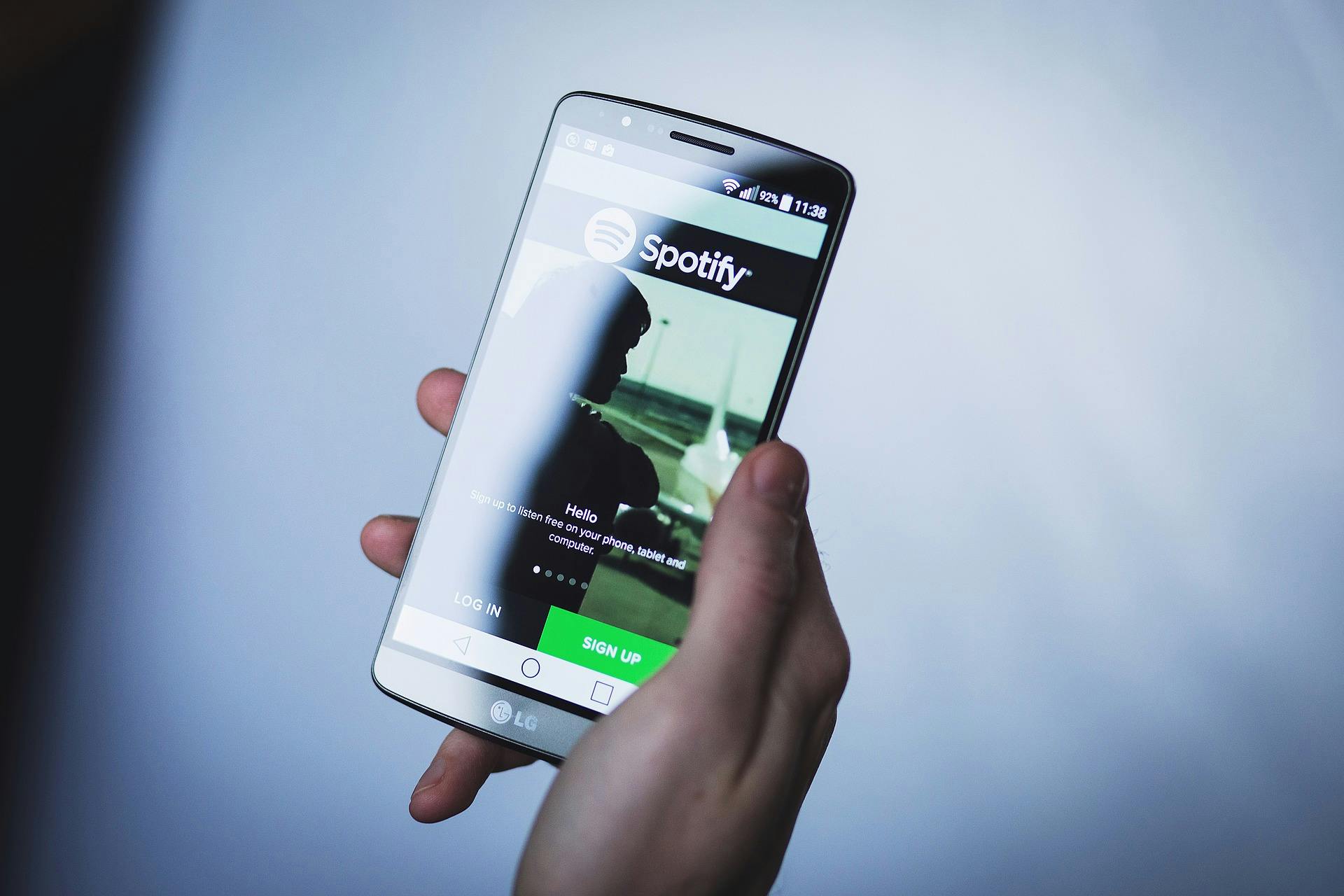
Featured image by Gavin Whitner

Please note: The I/O Fund conducts research and draws conclusions for the Fund’s positions. We then share that information with our readers. This is not a guarantee of a stock’s performance. Please consult your personal financial advisor before buying any stock in the companies mentioned in this analysis.

Posted in Media, Music Streaming, Tech StocksLeave a Comment on Is Spotify a Bandwagon Stock? 8 Key Issues Famous Hedge Funds Are Ignoring

Fast Growth in 4K Televisions and UHD Content Requires Premium Content Protection

Posted on September 12, 2018June 30, 2026 by io-fund
Fast Growth in 4K Televisions and UHD Content Requires Premium Content Protection

Ultra HD televisions are one of the fastest-growing segments in the history of consumer electronics. Within the first three years of shipments, 4K/UHD overshadowed HDTVs by nearly 4x with 16 million units shipped compared to 4.2 million units1. Since then, rapid penetration is occurring globally with 35 percent of all U.S. households forecast to have a UHD television by 2019, followed by the United Kingdom with 31 percent, 25 percent in the European Union, and 24 percent in China. Global units shipped reached 82 million in 2017 up from 53 million in 2016. .

The global 4K TV market is expected to reach 380.9 billion by 2025 due to enhanced graphics, the pressure for manufacturers to reduce prices and the popularity of ultra-high definition (UHD) content2.

The rate of growth of 4k shipments is at 70% growing from 83 million 4K devices in 2016 to 1.2 billion in 20213. While flat panel TVs are the largest segment of devices in 4K format, streaming media adapters, set-top-boxes, mobile devices, Blu-ray players, and game consoles follow closely behind. Following the popularity of 4K devices, there has been a growth of 4K content. Initially, 4K UHD content was available for live sports and some video on demand. Today, 4K content is seen as a premium offering albeit an expensive one with a digital copy of a 4K movie costing US $30.

My newsletter subscribers get this information first. Sign up here.My newsletter subscribers get this information first. Sign up here.here.

Revenue from the display market will grow from $18 billion in 2015 to $52 billion in 20204.

BT Sport was a pioneer of 4K broadcasts, and Netflix and Amazon were also early to the market to deliver 4K/Ultra HD content with hits such as Stranger Things and House of Cards. Today, most major broadcasting companies and content providers have joined to provide 4K/UHD content. AT&T has a DirecTV dedicated 4K channel including the MLB network with 4K baseball broadcasts, PGA tournaments, and UFC fights. The Olympics, Warner Brothers, BBC’s Planet Earth, Hulu and YouTube also offer UHD and HDR content.

Movies and TV shows display four times the resolution with UHD as compared to HD content5, and therefore, it has become the studios’ most valuable content requiring robust content protection.

Set-top-box makers provide 4K UHD set-top-boxes (although OTT content does not require a set-top-box to stream 4K content). While better hardware continues to be made available, the 4K UHD content is a major driver. For streaming media adapters, 4K video quality as an added feature is becoming the differentiator among streaming media adapter vendors. Most major vendors across both streaming media device adapters and players have launched 4K products.

How to Secure Premium UHD Content

Today, there are two choices for content protection: (1) legacy satellite and cable TV content protection systems based on conditional access or (2) digital rights management, which serves the internet-based over-the-top (OTT) market. Due to the valuable nature of UHD content, very high security requirements must be met. This is one area where digital rights management protection has an advantage over conditional access. There is a premium placed on 4K/UHD content, and therefore, having the security mechanisms moved from the hardware to the network level to be protected through secret keys and the return path of the IP channel is essential.

The high resolution and image quality of 4K/UHD television content is on par with high quality digital cinema. This means that 4K/UHD television files are very valuable property and have to be protected accordingly. MovieLabs, a research and development organization focusing on movie and television technologies, has published Enhanced Content Protection specification (https://movielabs.com/solutions-specifications/enhanced-content-protection-ecp/) to provide a guideline for 4K/UHD content protection requirements.

The MovieLabs 4K/UHD content protection specifications require video playback device makers to support:

  • A TEE (trusted execution environment) that must take care of content decryption, and handling of any cryptographic material e.g., device keys, content keys etc. as well as other security processes.
  • A SVP (secure video path) where the decrypted buffer is securely transmitted to the rendering element of the device e.g. display
  • Hardware descrambler
  • HDCP 2.2 or higher
  • Watermarking

The SoC (System on Chip) platforms that power modern digital devices are advancing their security features to support these requirements. Intertrust’s DRM solution, ExpressPlayTM, takes advantage of SoC implemented security features such as TEE and SVP. ExpressPlay also supports watermarking to offer the highest level of content protection for premium content distribution.

I consult for financial firms. Inquire here

Posted in Media, SvodLeave a Comment on Fast Growth in 4K Televisions and UHD Content Requires Premium Content Protection

Here’s Why Roku Stock Will Surpass $100 In Next Two Years

Posted on August 11, 2018June 30, 2026 by io-fund
Here’s Why Roku Stock Will Surpass $100 In Next Two Years

Roku’s stock (ROKU) is getting a lot of attention after it reported stellar second-quarter results due to 57% year-over-year revenue growth to $156.8 million beating the analyst forecast of $141 million. Compare this to 37% year-over-year revenue growth in Q1. However, as I stated in my Q1 article, the platform revenue is where Roku will continue to see a majority of the gains. The video streaming platform revenue was up 96% during the period to $90.3 million with player revenue up 24% to $66.5 million.

Some of the analysis below is taken from an article I wrote last quarter on Seeking Alpha. The information has not changed, but the stock price is beginning to adjust to Roku’s product-market fit. I do expect some correction from today’s stock pop, but these fundamentals are why I’ve been long on Roku from the beginning (and beating out Amazon Fire Stick isn’t one of them). I do expect Roku to experience some volatility on its path to becoming a large cap stock, however, specific industry trends are supporting Roku stock, and ultimately, these trends will win out.

1. Blood In The Water:

Roku offers the most synonymous business model with cable and satellite TV providers and can capitalize long-term on this massive subscriber loss by leveraging its advertising, audience development, and content distribution services, which make up 89% of gross margins from the platform. In fact, if Roku was a traditional cable company, this quarter’s 22 million active subscriber base would rival Comcast (CMCSA) for the place of second largest distributor of content in the United States. Only AT&T (NYSE:T) has more with 47 million DirecTV subscribers.++

The peak for pay TV in the United States occurred in 2010/2011 when it began a predictable erosion. The number of pay TV subscribers fell by 8,000 in 2012 and accelerated to 164,000 subscriber losses in 2014. Last year, the erosion neared deterioration with the top 10 pay TV operators losing a staggering 3 million linear subscribers in 2017 according to Leichtman Research.

2. Vendor Agnostic:

Roku critics cite too much competition for this mid-cap stock to carry the growth needed for long-term gains, especially from Apple (AAPL), Google (GOOG) (GOOGL) and Amazon (NASDAQ:AMZN) who all have a play in the hardware market for OTT video streaming services. However, this weakness is actually Roku’s strength. The Roku operating system, Roku OS 8, is a robust, reliable option for OTT streaming and has attracted partnerships with 1 in 5 smart TVs in the United States.

Meanwhile, operating systems like Samsung’s (OTC:SSNLF) Tizen continue to be plagued with bugs. But by being vendor-agnostic, Roku has still been able to secure a partnership for their free ad-supported channel with competing OSs like Samsung/Tizen. In addition, by remaining agnostic, Roku has maintained a full menu of original programming while corporate spats between Google (YouTube) and Amazon Prime restrict content choices.

Roku has also built a formidable catalog of 5,000 channels that even Google has not even come close to rival. This is where the discussion as to Roku being a hardware company should curtail as the “player” revenue has been eclipsed by the platform revenue (platform revenue stood at 45% in Q4 2017 compared to 57% in Q2 2018). It’s the latter where the company is making its largest investments including OTT advertising measurement tools, launching the free Roku channel, growing licensing fees, and partnering for live TV. The launch of live news in mid-May and the World Cup in June also contributed to platform performance in Q2.

3. There’s More To OTT Than Highly Fragmented Subscriptions:

Previously, viewing data and ratings on SVOD (subscription video on demand) such as Netflix (NFLX), Hulu Plus, and Amazon Prime and other OTT content was not disclosed even by Nielsen (NLSN). However, in a recent interview, Nielsen COO Steve Hasker revealed four previously undisclosed statistics about SVOD such as 89.5% of SVOD content is primarily viewed on the television glass whereas 11.5% is viewed on smartphones and tablets.

Of this time, 80% is spent on catalog programming whereas 20% is spent on original content. Meanwhile, as competition increases, the costs for original programming are escalating with Netflix spending $8 billion in 2018 in order to remain competitive for a small piece of the pie (20% of how time is spent). Meanwhile, Roku has held firm on not creating original programming and the statistics support this. The costs for original programming are likely to escalate as HBO, Showtime, and now Apple will continue to compete for this space.

In addition, subscribers pay for quite a few premium $8+ subscription channels, which will eventually lead to subscription fatigue – not to mention mitigate the reason cord-cutters leave pay TV services – which is to lower costs. For a subscriber with YouTube TV ($40) and three premium channels ($24-26), they are paying $65+ per month. This pricing will meet resistance by cord cutters and ad-supported video on demand (AVOD) will be the answer.

Most importantly, original programming will consolidate or bundle (like it has on cable) and Roku is the perfect middleman to do this.

My newsletter subscribers get this information first. Sign up here.My newsletter subscribers get this information first. Sign up here.here.

4. Global Potential:

This point ties into the previous two points where agnosticism in hardware and operating system along with building out a free, ad-supported channel will help Roku crush global expansion – especially in the emerging markets. The low price point for both the hardware and free content is desirable for global adoption, plus the 5,000 channels that Roku offers caters to differences in cultural viewing preferences. Most recently, Roku has announced offering the Roku Channel on the web in the United States which will serve people who do not have a set top box or television. Don’t be surprised if their next move is to take this web channel global. For instance, while India has roughly 180 million television sets, the country has nearly 300 million smartphones which a global Roku Channel could potentially reach.

Bottom line is that Roku has shown competitive vigor by maintaining the lead as the top streaming media player in the United States claiming 37% of devices with nearly 40 million U.S. customers use Roku once per month. It’s only a matter of time until they take this success to the billions of people overseas who can’t afford pay TV or want to reduce pay TV costs.

5. Purely OTT Play:

In reference to the first point, there is an opportunity to capitalize due to massive pay TV subscriber losses such as last month when Charter (CHTR) lost 12% of market cap after reporting 112,000 subscriber losses and Comcast reported a loss of 98,000 in video users compared to a gain of 41,000 one year ago in Q1 2017.

This bloodbath from attrition will continue to accelerate through 2025 when even TV networks are expected to experience a 41% revenue loss. Roku is a very desirable purely OTT mid-cap choice with 22 million users and a $5.75 billion market cap that narrows in on this staggering market trend. Compare this to Charter Communications, which has a $69 billion market cap and only 16 million users.

Conclusion:

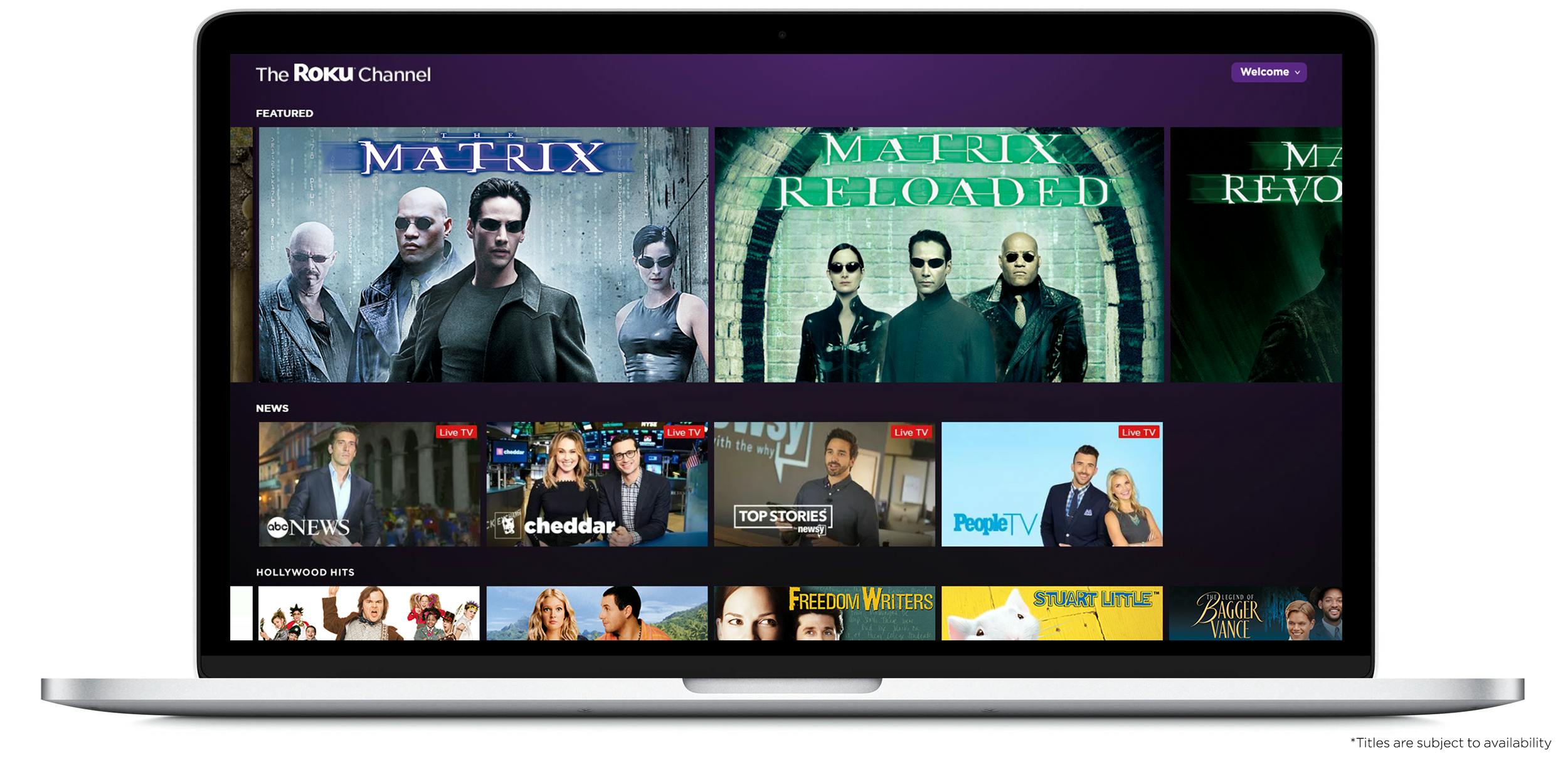
In the next 2-5 years, Roku stock will outpace competitors globally as it continues to be the cheapest, agnostic option with the most channels. Its executive team is experienced in OTT media and advertising, and the platform revenue will redefine how investors see this razor/razor blade opportunity (device player that locks in licensing fees and advertising). The free channel especially is attractive setting it apart from the overabundance of paid, subscription channels. In addition, live TV will be an attractive space for Roku with the company already recently partnered with ABC News, People TV, and Cheddar.

 Any information or analysis contained herein and published or referenced elsewhere should be appropriately credited to Beth Kindig of beth.technologybeth.technology

This article appeared on Seeking Alpha.

Posted in Ctv, Media, Svod, Tech StocksLeave a Comment on Here’s Why Roku Stock Will Surpass $100 In Next Two Years

Long on Roku – Even if they Miss Q1 Earnings

Posted on May 8, 2018June 30, 2026 by io-fund
Long on Roku – Even if they Miss Q1 Earnings

Summary: Despite knee jerk volatility, Roku will become a large cap stock in OTT (over-the-top) within 2-5 years. While Pay TV operators continue to bleed subscribers, Roku has the best business model to capitalize on these losses compared to highly fragmented OTT and SVOD competitors. In addition, Roku has maintained competitive vigor as the number one streaming device in the United States while remaining vendor agnostic. Going global will cement this position.

Roku (ROKU) stock prices have fluctuated wildly from being one of the hottest stocks in 2017 with a 400% return from the IPO price of $14 to a high in December of $56. From there, the streaming device maker saw shares drop 42% where it’s been range-bound at $31-$34 per share. That is, except when Amazon (AMZN) announced a fairly irrelevant partnership with a dying brick-and-mortar Best Buy (BBY) resulting in an 11.8% drop.

Or, the announcement of Roku offering access to ESPN+, which bumped the shares up 12%. While some are still confused on Roku’s value proposition, one thing is for certain, Roku’s stock is volatile and will continue to test investors’ technological depth on how exactly a hardware company plans to stay profitable … except, Roku is not a hardware company. Wall Street just (mistakenly) thinks it is.

This article originally appeared May 8th on Seeking Alpha.

Ahead of earnings this week, KeyBanc placed a $42 price target on the stock at about 27% above current levels of the shares. Notably, many short sellers lost the gamble when the lock-up expired six months after the IPO date in March with false expectations the market would be flooded with shares. The stock has seen about an 11% decline since March from the price of $39 – not the crash short investors were hoping for. Meanwhile, Roku’s short interest has dropped 38% since its peak from 10 million shares shorted at the end of March to 6.2 million shares shorted by mid-April.

Roku’s stock will continue to be volatile as the company expects to continue losing money in 2018 aiming to operate “at, or near, break-even on an operating cash flow basis.” Yet bulls continue to focus on the huge upside potential as the number one streaming device in the United States with $90 million in revenue coming from the ad-supported platform.

Looking beyond the knee-jerk volatility, here are the top reasons Roku will be a large cap stock in OTT (over-the-top) within 2-5 years.

1. Blood In The Water:

The peak for pay TV in the United States occurred in 2010/2011 when it began a predictable erosion. The number of pay-tv subscribers fell by 8,000 in 2012 and accelerated to 164,000 subscriber losses in 2014. Last year, the erosion neared deterioration with the top 10 pay TV operators losing a staggering 3 million linear subscribers in 2017 according to Leichtman Research.

Roku is the most synonymous business model with cable and satellite TV providers and can capitalize long-term on this massive subscriber loss by leveraging its advertising, audience development and content distribution services, which make up 89% of gross margins from the platform. In fact, if Roku was a traditional cable company, it would be the third largest distributor of content in the United States behind Comcast (CMCSA) and AT&T (T) with 19 million active subscribers.

2. Vendor Agnostic:

Roku critics cite too much competition for this mid-cap stock to carry the growth needed for long-term gains, especially from Apple (AAPL), Google (NASDAQ:GOOG) (GOOGL) and Amazon who all have a play in the hardware market for OTT video streaming services. However, this weakness is actually Roku’s strength. The Roku operating system, Roku OS 8, is a robust, reliable option for OTT streaming and has attracted partnerships with 1 in 5 smart TVs in the United States.

Meanwhile, operating systems like Samsung’s (OTC:SSNLF) Tizen continue to be plagued with bugs. But by being vendor-agnostic, Roku has still been able to secure a partnership for their free ad-supported channel with competing OSs like Samsung/Tizen. In addition, by remaining agnostic, Roku has maintained a full menu of original programming while corporate spats between Google (YouTube) and Amazon Prime restrict content choices.

Roku has also built a formidable catalog of 5,000 channels that even Google has not even come close to rival. This is where the discussion as to Roku being a hardware company should curtail as the “player” revenue will soon be eclipsed by the platform revenue (platform revenue stood at 45% in Q4 2017). It’s the latter where the company is making its largest investments including OTT advertising measurement tools, launching the free Roku channel, growing licensing fees and partnering for live TV.

3. There’s More To OTT Than Highly Fragmented Subscriptions:

Previously, viewing data and ratings on SVOD (subscription video on demand) such as Netflix (NFLX), Hulu Plus and Amazon Prime and other OTT content was not disclosed even by Nielsen (NLSN). However, in a recent interview, Nielsen COO Steve Hasker revealed four previously undisclosed statistics about SVOD such as 89.5% of SVOD content is primarily viewed on the television glass whereas 11.5% is viewed on smartphones and tablets.

Of this time, 80% is spent on catalog programming whereas 20% is spent on original content. Meanwhile, as competition increases, the costs for original programming are escalating with Netflix spending $8 billion in 2018 in order to remain competitive for a small piece of the pie (20% of how time is spent). Meanwhile, Roku has held firm on not creating original programming and the statistics support this. The costs for original programming are likely to escalate as HBO, Showtime, and now Apple will continue to compete for this space.

In addition, subscribers pay for quite a few premium $8+ subscription channels, which will eventually lead to subscription fatigue – not to mention mitigate the reason cord-cutters leave pay TV services – which is to lower costs. For a subscriber with YouTube TV ($40) and three premium channels ($24-26), they are paying $65+ per month. This pricing will meet resistance by cord cutters and ad-supported video on demand (AVOD) will be the answer.

Most importantly, original programming will consolidate or bundle (like it has on cable) and Roku is the perfect middleman to do this.

4. Global Potential:

This point ties into the previous two points where agnosticism in hardware and operating system along with building out a free, ad-supported channel will help Roku crush global expansion – especially in the emerging markets. The low price point for both the hardware and free content is desirable for global adoption, plus the 5,000 channels that Roku offers caters to differences in cultural viewing preferences.

Roku has shown competitive vigor by maintaining the lead as the top streaming media player in the United States claiming 37% of devices with nearly 40 million U.S. customers use Roku once per month. It’s only a matter of time until they take this success to the billions of people overseas who can’t afford pay TV or want to reduce pay TV costs.

5. Purely OTT Play:

In reference to the first point, there is an opportunity to capitalize due to massive pay TV subscriber losses such as last month when Charter (CHTR) lost 12% of market cap after reporting 112,000 subscriber losses and Comcast reported a loss of 98,000 in video users compared to a gain of 41,000 one year ago in Q1 2017.

This bloodbath from attrition will continue to accelerate through 2025 when even TV networks are expected to experience a 41% revenue loss. Roku is a very desirable purely OTT mid-cap choice with 19 million users and a $3.29 billion market cap that narrows in on this staggering market trend. Compare this to Charter Communications, which has a $65 billion market cap and only 16 million users.

Conclusion:

In the next 2-5 years, Roku will outpace competitors globally as it continues to be the cheapest, agnostic option with the most channels. Its executive team is experienced in OTT media and advertising, and the platform revenue will redefine how investors see this razor/razor blade opportunity (device player that locks in licensing fees and advertising). The free channel especially is attractive setting it apart from the over-abundance of paid, subscription channels. In addition, live TV will be an attractive space for Roku with the company already recently partnered with ABC News, People TV and Cheddar.

Posted in Ctv, Financial Markets, Media, Svod, Tech StocksLeave a Comment on Long on Roku – Even if they Miss Q1 Earnings

Posts navigation

Newer posts

Recent Posts

  • The IPO Glut of 2020: Why Valuations Have Gone Too Far
  • Zoom Discusses Two Important Catalysts In Q1 Earnings
  • Three Risk Management Tools the I/O Fund Offers
  • Micron Is Up 900%. Here’s Why the AI Memory Trade May Still Have Room to Run
  • Credo: Reliability Leader Aggressively Moves into Optics

Recent Comments

No comments to show.

Archives

  • June 2026
  • May 2026
  • April 2026
  • March 2026
  • February 2026
  • January 2026
  • December 2025
  • November 2025
  • October 2025
  • September 2025
  • August 2025
  • July 2025
  • June 2025
  • May 2025
  • April 2025
  • March 2025
  • February 2025
  • January 2025
  • December 2024
  • November 2024
  • October 2024
  • September 2024
  • August 2024
  • July 2024
  • June 2024
  • May 2024
  • April 2024
  • March 2024
  • February 2024
  • January 2024
  • December 2023
  • November 2023
  • October 2023
  • September 2023
  • August 2023
  • July 2023
  • June 2023
  • May 2023
  • April 2023
  • March 2023
  • February 2023
  • January 2023
  • December 2022
  • November 2022
  • October 2022
  • September 2022
  • August 2022
  • July 2022
  • June 2022
  • May 2022
  • April 2022
  • March 2022
  • February 2022
  • January 2022
  • December 2021
  • November 2021
  • October 2021
  • September 2021
  • August 2021
  • July 2021
  • June 2021
  • May 2021
  • April 2021
  • March 2021
  • February 2021
  • January 2021
  • December 2020
  • November 2020
  • October 2020
  • September 2020
  • August 2020
  • July 2020
  • June 2020
  • May 2020
  • April 2020
  • March 2020
  • February 2020
  • January 2020
  • December 2019
  • November 2019
  • October 2019
  • September 2019
  • August 2019
  • July 2019
  • June 2019
  • May 2019
  • April 2019
  • March 2019
  • February 2019
  • January 2019
  • December 2018
  • November 2018
  • October 2018
  • September 2018
  • August 2018
  • July 2018
  • June 2018
  • May 2018
  • April 2018
  • February 2018
  • January 2018

Categories

  • 5G
  • About
  • Accounting Tips
  • AdTech
  • Ai Platforms
  • Ai Platforms
  • Ai Platforms
  • Ai Platforms
  • Ai Platforms
  • Ai Platforms
  • Ai Platforms
  • Ai Platforms
  • Ai Platforms
  • Ai Platforms
  • Ai Platforms
  • Ai Platforms
  • Ai Platforms
  • Ai Platforms
  • Ai Platforms
  • Ai Platforms
  • AI Stocks
  • AI Stocks
  • Analysts
  • Application Monitoring
  • Application Monitoring
  • Applications
  • Applications
  • Applications
  • Applications
  • Applications
  • Applications
  • Applications
  • AR
  • Audit Reports
  • Autonomous Vehicles
  • Autonomous Vehicles
  • Autonomous Vehicles
  • Autonomous Vehicles
  • Autonomous Vehicles
  • Autonomous Vehicles
  • Autonomous Vehicles
  • Avod
  • Avod
  • Battery Charging
  • Bear Market
  • Bitcoin
  • Bitcoin
  • Bitcoin
  • Bitcoin
  • Bitcoin
  • Bitcoin
  • Bitcoin
  • Blockchain
  • Blockchain
  • Blockchain
  • Blockchain
  • Blockchain
  • Blockchain
  • Blockchain
  • Broad Market Today
  • Bull Market
  • Bull Market
  • Chainlink
  • Chainlink
  • Chainlink
  • Chainlink
  • China Stocks
  • Cloud
  • Cloud Infrastructure
  • Cloud Infrastructure
  • Cloud Infrastructure
  • Cloud Infrastructure
  • Cloud Infrastructure
  • Cloud Infrastructure
  • Cloud Infrastructure
  • Cloud Platforms
  • Cloud Platforms
  • Cloud Software
  • Cloud Software
  • Cloud Software
  • Cloud Software
  • Cloud Software
  • Cloud Software
  • Cloud Technology
  • Company
  • Company
  • Console Gaming
  • Console Gaming
  • Console Gaming
  • Consumer
  • Consumer
  • Consumer
  • Consumer
  • Consumer
  • Consumer
  • Consumer
  • Consumer
  • Consumer
  • Consumer
  • Consumer
  • Consumer
  • Consumer
  • Consumer
  • Consumer Tech
  • Corrections
  • Crypto Investment
  • Ctv
  • Ctv
  • Ctv
  • Ctv
  • Ctv
  • Ctv
  • Ctv
  • Ctv
  • Ctv
  • Ctv
  • Cybersecurity
  • Cybersecurity
  • Cybersecurity
  • Cybersecurity
  • Cybersecurity
  • Cybersecurity
  • Cybersecurity
  • Cybersecurity
  • Cybersecurity
  • Cybersecurity
  • Cybersecurity
  • Cybersecurity
  • Data
  • Data Analytics
  • Data Analytics
  • Data Analytics
  • Data Center
  • Data Center
  • Data Center
  • Data Center
  • Data Center
  • Data Center
  • Data Center
  • Data Center
  • Data Center
  • Data Center
  • Data Center
  • Data Center
  • Data Center
  • Data Center
  • Data Center
  • Data Center and Processing
  • Data Warehousing
  • Data Warehousing
  • Data Warehousing
  • Data Warehousing
  • Databases
  • Databases
  • Databases
  • Databases
  • Dating
  • Defi
  • Digital Ads
  • Digital Ads
  • Digital Ads
  • Digital Ads
  • Digital Ads
  • Digital Ads
  • Digital Ads
  • Digital Ads
  • Digital Ads
  • Digital Ads
  • Digital Ads
  • Digital Ads
  • Digital Ads
  • Digital Ads
  • E-Commerce
  • Earning Updates
  • Earning Updates
  • Earning Updates
  • Earning Updates
  • Earning Updates
  • Earnings Report
  • Earnings Report
  • Earnings Report
  • Earnings Report
  • Earnings Report
  • Earnings Report
  • Earnings Report
  • Earnings Report
  • ECommerce
  • Electric Vehicles
  • Electric Vehicles
  • Electric Vehicles
  • Electric Vehicles
  • Electric Vehicles
  • Electric Vehicles
  • Electric Vehicles
  • Energy Stocks
  • Enterprise
  • Enterprise
  • Enterprise
  • Enterprise
  • Enterprise
  • Enterprise
  • Enterprise
  • Enterprise
  • Enterprise
  • Ethereum
  • Events1
  • Events1
  • Exchange
  • Faq
  • Finance
  • Financial Analysis
  • Financial Analysis
  • Financial Analysis
  • Financial Analysis
  • Financial Analysis
  • Financial Analysis
  • Financial Analysis
  • Financial Analysis
  • Financial Analysis
  • Financial Analysis
  • Financial Analysis
  • Financial Analysis
  • Financial Markets
  • FinTech
  • Fundamental Analysis
  • Gambling
  • Gaming
  • Genomics
  • Glossary
  • Green Energy
  • Growth Stocks
  • Growth Stocks
  • Growth Stocks
  • Headsets
  • Headsets
  • Health Tech
  • Hydrogen
  • Identity
  • Identity
  • Identity
  • Inflation
  • Inflation
  • Inflation
  • Internet of Things
  • Interviews
  • Interviews
  • Interviews
  • Interviews
  • Investing
  • Investing
  • Ltbh
  • Ltbh
  • Ltbh
  • Ltbh
  • Ltbh
  • Macro Trends
  • Macro Trends
  • Market Trends
  • Market Trends
  • Market Trends
  • Market Trends
  • Market Trends
  • Market Trends
  • Market Trends
  • Market Updates
  • Market Updates
  • Market Updates
  • Market Updates
  • Market Updates
  • Market Updates
  • Market Updates
  • Market Updates
  • Market Updates
  • Market Updates
  • Media
  • Membership
  • Mining
  • Mobile
  • Mobile
  • Mobile
  • Mobile
  • Mobile Gaming
  • Mobile Gaming
  • Mobile Gaming
  • Multimedia
  • Music Streaming
  • NVDA | NVIDIA Corporation
  • Performance Updates
  • Pin Content
  • Podcasts
  • Podcasts
  • Podcasts
  • Portfolio
  • Premium Research
  • Press Releases
  • Press Releases
  • Productivity
  • Productivity
  • Productivity
  • Productivity
  • Productivity
  • Productivity
  • Productivity
  • Reports and Whitepapers
  • Research Services Preview
  • Resources
  • Resources
  • Semiconductor Stocks
  • Semiconductors
  • Semiconductors
  • Semiconductors
  • Semiconductors
  • Semiconductors
  • Semiconductors
  • Semiconductors
  • Semiconductors
  • Semiconductors
  • Semiconductors
  • Semiconductors
  • Semiconductors
  • Semiconductors
  • Social Media
  • Social Media
  • Social Media
  • Social Media
  • Social Media
  • Social Media
  • Social Media
  • Software
  • Software
  • Software
  • Software
  • Software
  • Software
  • Software
  • Software
  • Software
  • Software
  • Software
  • Software
  • Software
  • Software
  • Software
  • Solar
  • Solar
  • Stock Analysis PDFs
  • Stock Updates
  • Stock Updates (Blogs)
  • Supplychain
  • Supplychain
  • Supplychain
  • Supplychain
  • Supplychain
  • Supplychain
  • Svod
  • Svod
  • Svod
  • Svod
  • Svod
  • Svod
  • Tech Podcast
  • Tech Stock News
  • Tech Stock News
  • Tech Stock News
  • Tech Stock News
  • Tech Stock News
  • Tech Stocks
  • Tech Stocks
  • Tech Stocks
  • Tech Stocks
  • Tech Stocks
  • Tech Stocks
  • Tech Stocks
  • Tech Stocks
  • Tech Stocks
  • Tech Stocks
  • Tech Stocks
  • Tech Stocks
  • Tech Stocks
  • Tech Stocks
  • Technical Analysis
  • Telehealth
  • Telehealth
  • Telehealth
  • Telehealth
  • Testing Equipment
  • Testing Equipment
  • Top Tech Stock News
  • Travel
  • Trends Report
  • Tutorials
  • Uncategorized
  • Updates
  • Updates
  • Updates
  • Video
  • Video
  • Video
  • Video
  • Video Footage
  • VR
  • Webinar Alerts
  • Webinar Alerts
  • Webinars
Proudly powered by WordPress | Theme: iofund by iofund.co.uk.