Skip to content
Logo-main-white.860316a8

I/O Fund

  • Home
  • Free Stock Analysis
  • AI Stocks
  • BEST OF 2025
  • Analysts
  • Nvidia Hub
  • About
    • Case Studies
    • About Us
    • Premium Services
    • Pricing
    • Notable Wins
    • I/O Fund Reviews
    • Media
  • Contact Us

Month: March 2019

Apple Stock: A New Era of Mobile Saturation

Posted on March 22, 2019June 30, 2026 by io-fund
Apple Stock: A New Era of Mobile Saturation

Debuting in 1980, Apple is nearing its 40th anniversary on the stock market. The company has undergone many pivots successfully from computers to improved operating systems, to iPods, iPhones, app stores and music services. Many of these pivots were executed beautifully, with the most recent one being Apple Music, which took a majority of market share in music streaming within 4 years in the United States.

Of course, the iPhone is Apple’s force extender. One quick glimpse at the stock chart history and it’s easy to see something important happened in 2008. The invention has sold over 2.2 billion units with an average price tag of $793. The iPhone altered the United States economy, creating a thriving developer ecosystem while 87 percent of smartphone profits despite selling 18 percent of all smartphone units. With the iPhone’s release, Apple not only became one of the biggest companies in the world, but it also has more cash reserves than most countries’ GDP at $285 billion.

There are many positives to Apple’s story beyond the iPhone, with a wearables business up over 50%, cloud services up 40%, and Apple News readership at 85 million active monthly users. Apple Music is also now the number one streaming service in the United States over Spotify and closing the gap globally with 53M subscribers vs 83M subscribers. Most importantly, Apple has a media announcement planned for March 25th, which will add to the growing services revenue.

Earnings reported on January 29th, 2019 were more encouraging than anticipated following the lowered guidance. Apple beat earnings at $4.17 compared to last years $3.89. Total revenue was lower at $84 billion, down by 4.51% and beat guidance by $312 million. Future guidance expects revenue between $55 billion and $59 billion for this quarter to be reported at the end of April. Gross margins are expected between 37 percent and 38 percent. The company has a hoard of cash and the stock pays an increasing dividend.

Investors should exercise caution, however, as the broader mobile market is slowing down and is at the point of saturation. Mobile has been the de facto leader for tech growth during this historical bull market, and has provided consistent YoY returns that the dot-com bubble would be envious of. Investors should recognize mobile has reached its top as a primary driver across tech growth stocks, and I do not believe the mobile slowdown is over yet, or that the full effects have been completely reflected in earnings.

Apple can (and will) pivot. One day, the company will be known for health services, vehicle software, as a media titan, and more. However, But to expect one quarter of decreasing iPhone sales before the stock resumes previous heights would defy the laws of the tech hype cycle. Apple simply has not hit the iPhone bottom, and the effects of mobile saturation are not fully reflected yet in the company’s earnings.

The Fifth Factor: Mobile Saturation

Apple noted four factors that impacted results when the company provided guidance in November: “different iPhone launch timing from a year ago, FX headwinds, supply constraints on certain products and macroeconomic conditions in emerging markets.” I would call this the 1,000 foot-view while the 30,000 foot-view tells us the fifth factor is mobile saturation.  Eventually, everyone has a television set and a laptop – and now, a smartphone. This will continue to be the reality that Apple contends with.source: https://www.statista.com/statistics/263441/global-smartphone-shipments-forecast/

The smartphone market contracted in 2017 to 1.462 billion units and in 2018 to 1.42 billion units, and is expected to return to minimal yet positive growth percentages at a CAGR of 2.5%. While 1.5 billion smartphones per year is substantial, the law of saturation is likely to drive prices down, with Android owning 85% of the market today, and we see decreasing iPhone penetration in China where lower-priced competitors gain market share.

IDC estimated Apple will sell 242 million smartphones by 2022 up from 221 million in 2018. The issue with these estimates is that IDC does not break down the percentage of potential decline between 2018 to 2022. The most up to date number available from IDC is an anticipated decline of 0.8% in worldwide smartphone sales in 2019, published on March 6th.

We saw China decline 10% last year in global shipments of smartphones. Taiwanese company, TSMC, is the sole supplier of iPhone core processor chips and told Nikkei Asian Review that the company is cautious about demand for high-end smart phones, which is a nod toward Apple from a main supplier. Samsung Electronic’s Vice President Lee Myung-jin told investors in late January that “demand for memory chips has declined in the fourth quarter as external circumstances worsened and customers adjusted their orders” and he believes the decline “will continue in the first quarter, as key customers keep adjusting their orders.”

Huawei eats market share in Asia and is currently the world’s fastest-growing smartphone seller. The company sold 200-million units in 2018, posting 30% growth from the 153 million units sold in 2017 and has seen a 66x increase from the 3 million units sold in 2010.

Huawei edged out Apple with 14.6% of the global smartphone market compared to Apple’s 13.2% share in Q3 2018. China’s Xiaomi also posted 21.2% growth. Therefore, a resolution to the trade war or other macro conditions may not actually revive iPhone sales as Chinese smartphone makers appear determined to gain domestic ground. In 2018, the iPhone had an average sales price (ASP) of $793 while Huawei’s ASP is $269 in China and about $380 in Europe. The ASP for Xiaomi is $138. Politics and trade war aside, one indication of saturation and post-euphoria consumer behavior is when consumers seek lower prices as a trend becomes more commonplace. Longer replacement cycles and lack of innovation on the device, such as new applications, also point towards a market at its peak.

China represents roughly 1/3rd of smartphone penetration compared to the United States at 1/12th. We can see over the last few years that the United States had the lowest CAGR of any region globally. According to Pew Research, 77% of Americans own smartphones, a jump from 35% in 2011. If Apple is losing market share in China, this leaves Latin America, where the average sales price of the iPhone is prohibitive.

Apple’s Pivot to Services

There is no reason for investors to not be hopeful about the upcoming media announcement, although as Apple Music has shown, it may take up to 3 years before it adds significantly to the top line. Many investors may ignore the mobile saturation issues or believe the bulk of the iPhone decline is priced into the stock. If Apple is a core holding, the arrival of a new direction is likely to be welcomed. Today, services account for 18% of Apple’s overall quarterly revenue at $9.9 billion or $37 billion annually with handsome margins of 62.8%. Apple has executed Apple Music beautifully since 2015 and is now the top music streaming service in the United States, much to Spotify’s chagrin. To give you a comparison and a glimpse into the media services possibilities, it took Spotify twelve years to gain 80+ million subscribers while Apple reported over 50 million in three (brief) years. OTT media endeavors require a note of caution, however, especially for those companies creating original content. Historically speaking, Amazon had a content budget of $4.5 billion in 2017 for an audience of 27 million viewers. As Jeff Bezos told Hollywood Reporter at that time, “When people join Prime, they buy more of everything” and the losses on original content are recovered. Apple will also need to recover the losses on original content. Some anticipate that Apple will recoup the costs of original content with a 30% revenue split from the other channels they plan to aggregate on the platform.

While Apple may be able to pull off migrating users from their trusted favorites, such as Hulu, Prime, Netflix, Showtime and HBO, it will be interesting to see how quickly Apple can make back the investment of paying the likes of Oprah Winfrey, Jennifer Aniston and more big names for the original content they plan to offer. There’s also speculation Apple may bundle services like Spotify and Hulu do today, where the two services are offered for about a $3 discount at $17.99. Regardless the monetization strategy, Apple’s media announcement is likely to help the stock, despite the many warning signs of a distressed mobile market.

Takeaway:

Apple has a history of successful pivots, and services will add a projected $100 billion in revenue by 2023. However, I believe we haven’t found a bottom yet on mobile saturation. In 2017, Apple sold 19 percent of the smartphones purchased globally, yet captured 87 percent of the profits. My prediction is that those days of the peak mobile market are over. Even if earnings see-saw for a few quarters, there will be a downward trendline from this peak. Apple will make a better investment once mobile saturation has run its course. I believe the stock price we see today is overly optimistic in regards to the eventual slow down across the mobile industry.

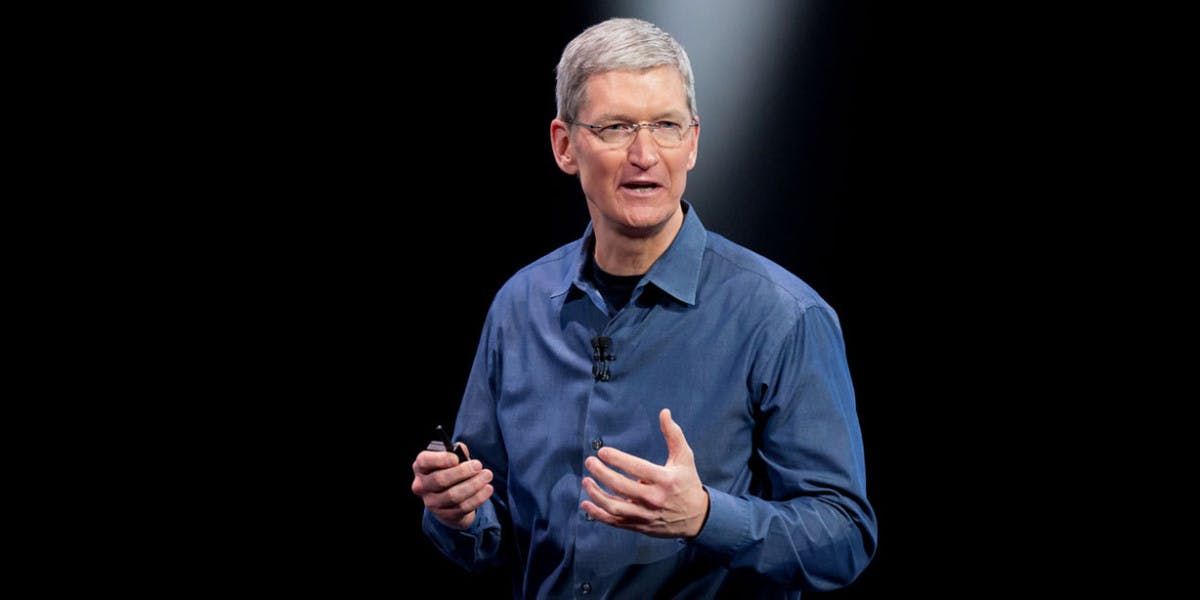
Image credit: Apple

Posted in Consumer Tech, Financial Analysis, MobileLeave a Comment on Apple Stock: A New Era of Mobile Saturation

Lyft: Risky Valuation and No Intellectual Property

Posted on March 14, 2019June 30, 2026 by io-fund
Lyft: Risky Valuation and No Intellectual Property

Who doesn’t love the ease of using a mobile application to order a ride rather than stand awkwardly on a street corner hailing a taxi? Once I downloaded Lyft and Uber, I said goodbye to the rejection of occupied taxis forever. Lyft and Uber represent free market evolution by offering a better service than the outdated competition. The apps shave off valuable time with door-side pickup, and the overall cost is cheaper than taxis too. In San Francisco, these apps have become ubiquitous, but these biases have to take a backseat to investment discipline.

There is a tinge of glam to the upcoming Lyft IPO road show, and the anticipated IPO from Uber in 2019. Silicon Valley produces a lot of winners; however, I believe investors should be careful with both of these IPOs due to exuberant valuations, accelerating net losses, and a lack of geographic expansion opportunities. Yet, another concern is the liquidity event the large cap IPO provides, and the level of PR that can be bought leading up to the IPO, which will likely focus on the growing sales. There is evidence the growing revenue has been subsidized, therefore, revenue is not a safe bet when evaluating these particular stocks, and the prospectus fails to outline a clear path to profitability.

1. Risky Valuation with Accelerating Net Losses

Lyft went from a $7 billion valuation in 2017 to a $15 billion valuation in 2018 and is now seeking a $20-$25 billion valuation on the public markets. The problem with this rising valuation is that losses are progressive with $2.6 billion in revenue in 2018 but a $911.3 million loss. Due to these losses, Lyft may need to borrow or raise more equity after its first year on the public market, which means debt or dilutive stock offerings.

Lyft’s sales, on the other hand, appear positive on the surface with incredible growth year-over-year from $343M in 2016 to $1.05 billion in 2017 and 100%+ growth in 2018 at $2.15 billion. The problem is that the losses are also accelerating.

Lyft’s filing also points to an important issue with growth marketing tactics for user acquisition (UA) and user retention. I’ll copy the paragraph here verbatim from the S-1 Filing and translate my understanding of how ridesharing apps subsidize UA.

“Ability to Cost-Effectively Attract and Retain Riders and Increase Our Share of Their Transportation Spend “Ability to Cost-Effectively Attract and Retain Riders and Increase Our Share of Their Transportation Spend 

We grow our business by attracting new riders to our platform and increasing their usage of our platform over time. To effectively attract riders, we focus on driving organic adoption in our rider base, and do so with investments in brand and growth marketing to increase consumer awareness. We also offer incentives for first time riders to try Lyft, as well as incentives for existing drivers and riders to refer new riders. Once riders start using Lyft, we provide a quality experience and a diverse offering of products to accommodate different transportation use cases, retain riders and encourage repeat usage. We often also provide incentives to existing riders to encourage them to expand their use of our platform. If we fail to continue to attract riders to our platform and grow our rider base, expand riders’ usage of our platform over time or increase our share of riders’ transportation spend, our results of operations would be harmed.”

The translation here is that Lyft and Uber pay incentives to acquire and retain users. In gaming, a company might spend $8 to acquire a user with a lifetime value of $15 per user for a profit of $7. The problem with ride-sharing apps is that the incentives offered do not cover the costs of the ride, and that is one reason we see strong sales growth mired by accelerating losses.

Reuters has some historic information on this dated back to 2015, when Uber passengers paid only 41 percent of the actual cost of their trips. At the time, Reuters reported that this creates an “artificial signal about the size of the market” with Uber releasing limited financial data that showed losses of $708 million per quarter.

Going back to Lyft, the takeaway is that these incentives are creating an artificial signal about revenue, which is ultimately overshadowed by net losses. The problem with subsidizing rides is that public market investors aren’t able to determine what will be required for profitability, how much the cost of the ride will have to increase, and if that will impede the demand to ride share.

2. “Human Resources” Business Model is Not Profitable

Lyft and Uber have scaled their companies but it comes with the variable cost of human labor. Ideally, you want fixed costs for R&D on platforms, software, hardware and other products to create the margins that technology is known for. Lyft and Uber are mobile applications, but the business model is more of a large-cap human resources department with many variables around wages, and potentially regulations due to independent contractor classifications. (There was a recent $20 million settlement due to the misclassification of drivers in California).

As you’ll see below, the mobile app holds very little intellectual property, with the primary value of the product resting in the mobilization of a massive work force of nearly 2 million people, per Lyft’s S-1 Filing. To some regard, Lyft and Uber are not technology companies, rather they are very large human resource departments run through an application.  Whenever you are involved with labor at this level, regulations and wages eat at profits.

3. Autonomous Vehicles 5-10 Years Out

This leads us to the only hope for ride-sharing to become profitable, which would be to remove the human driver through autonomous vehicles. Here’s some information from my autonomous vehicle analysis published in October on AV delays as it pertains to the timeline of when Lyft or Uber could potentially deploy driverless and how investors should exercise caution here:

“The regulation hurdles between Level 2 and Level 3 and delayed deployments will put immense pressure on stocks that are overvalued based on AV speculation. ABI Research, an advisory firm that reports on market-foresight trends, predicts 8 million consumer vehicles with Level 3 to Level 5 autonomy will ship in 2025. Compare this to the 94.5 million vehicles sold in 2017 which equates to 8.5% of sales. This is a small and fairly insignificant percentage of market share to be chasing 7-years ahead of deployment. Yet, investors are pouring cash into hyped up stocks- and the press plays a large role in this. Headlines are a continual churn of autonomous vehicle “moments” – every partnership, every mile driven, every make and model that adds another feature. To be clear, we’ve only gone from a Level 1 to Level 2. We are not able to release Level 3 AV right now – and yes, that includes Tesla.

Note: I was the first to write about the issues around autonomous vehicle deployment and how this will affect stocks (this prediction was before GM announced layoffs and before Tesla reported AV deployment issues, as well).

4. Total Addressable Market & Lack of Intellectual Property

I saved some of the best for last, as a paramount risk to both Uber and Lyft is total addressable market. Room for geographic expansion is limited beyond the United States, other than a few outlier countries like Saudi Arabia. Of course, the underlying issue with TAM is a lack of intellectual property with an easy-to-duplicate mobile application that leverages common app features such as GPS location and SMS/voice. Although it is common to discuss the ridesharing ecosystem as “Lyft Vs. Uber,” the fact is the global competitors in their respective geographies are a serious deterrent to future growth.

Here is a summary of the global ride-sharing market:

Asia: China’s Didi surpassed Uber as the world’s most valuable startup. Both Uber and Didi have something in common too; their investor is SoftBank. Grab is Singapore’s ridesharing service and bought Uber out of the market in Southeast Asia. (Uber was losing money here). India has a domestic ridesharing company named Ola, who can operate for as cheap as 8 cents per kilometer.

Europe: Taxify and MyTaxiApp: I went to MWC in Barcelona about two weeks ago and hailed about thirty rides in one week through a ride-sharing app called MyTaxi. One interesting feature behind the MyTaxiApp is that it leverages unionized cab drivers through the app rather than mobilizing independent contractors. The fares are cheaper than Uber, too, which is why Uber wasn’t able to capture Europe.

Middle East:  The Dubai-based ride-hailing app Careem serves the Middle East and Africa with 33 million users.

Latin America: Uber is doing well in Latin America with 25 million monthly active users, a presence in 200 million metro areas and is in 15 countries. Lyft is unlikely to compete with Uber here. China’s Didi is moving forward on competing in Latin America.

Japan: Japan could be a potential market although the overall sentiment is that Japan has major regulatory hurdles and the high-quality taxi system does not need much improvement.

Takeaway: Due to the reasons I’ve outlined, my concern is that the valuations and late-stage IPO is better for private market liquidity and not a sustained growth story for the public markets. The accelerating losses tell a different story than the 100%+ revenue, and if investors are subsidizing rides, then buying PR focused on sales is cheap. There is also no clear path to geographic expansion for near-term growth. Will Uber and Lyft be around in 5 years? Sure. Yelp, Snap and Zynga are still around …

Posted in Consumer Tech, Tech Stocks, TravelLeave a Comment on Lyft: Risky Valuation and No Intellectual Property

“Algorithms are not biased; data is biased” – MWC 2019

Posted on March 7, 2019June 30, 2026 by io-fund
“Algorithms are not biased; data is biased” – MWC 2019

Last week at MWC in Barcelona, the session panels focused on the hottest topics in mobile, such as 5G, artificial intelligence and blockchain. The more controversial panels discussed the bias found in data, and how that data goes onto inform algorithms, which results in unethical conclusions. Speakers and panelists pointed out the racial bias in prison sentencing, gender bias in mortgage loans, financial institutions, age-related bias that occurs during job recruitment, and pre-existing conditions in health care coverage.

Danny Guillory, the head of global diversity and inclusion at AutoDesk told Fortune Magazine that by running a search for a professional social network for social engineers, the results were primarily Caucasian men. Guillory pointed out that when you engage or ask for more results, the AI delivers candidates with similar attributes – more Caucasian men. Another example of AI bias is the notorious Microsoft’s Tay AI, when released on Twitter back in March of 2016, the AI quickly became misogynist and racist on social media within a staggering 24 hours.

AI may seem like an auxiliary technology to how we live our daily lives today, however, it will soon be the primary driver across the tech industry. PricewaterhouseCoopers estimates the world economy will reach an additional 15.7 trillion in value by 2030 due to artificial intelligence. To put this into perspective, the top 5 technology companies today have a combined value of about $4 trillion, which includes Apple, Amazon, Microsoft, Google and Facebook. The annual global technology spend is similar – about $3 trillion. Over the next decade, AI will drive a market 5x the size of tech’s current global spend.

Although this growth is exciting on many levels, the panelists at MWC 2019 voiced concerns about the handling of inherent biases that comes from data, as clearly discrimination by age, race, gender, education or other factors within audience segmentation is counterproductive to the advancement of society that AI promises.

My newsletter subscribers get this information first. Sign up here.My newsletter subscribers get this information first. Sign up here.here.

AI algorithms are responsible for making consequential decisions and are trained to find lookalikes or other markers to learn patterns. Some argue that the bias occurs when the computer system reflects the humans who designed it. Proven downsides to artificial intelligence have surfaced in recent years, for instance with fake news allegedly influenced the 2016 Presidential election. These accusations are proof that we have run out of time in addressing these concerns, especially as we near the precipice of a much larger, multi-trillion-dollar AI market.

Provided there is more diversity within the field of artificial intelligence, many of the panelists asked who should regulate the infractions of algorithmic bias – governments or markets? Many felt there should be an international community to establish guidelines for AI. But even then, will the lower classes be invited or what level of inclusivity will an international community realistically provide for, as the world’s most vulnerable and marginalized people are unlikely to be represented. In this way, AI could further the gap between lower class and upper class along socioeconomic lines, if it hasn’t done so already as AI is currently in use by the largest financial funds in capital markets.

The unanimous solution among the panelists and speakers was to broaden the conversation and not limit artificial intelligence jobs only to technical experts. “Requiring someone to know Python in order to work with AI is not democratizing AI,” one panelist pointed out. Along these lines, a more human centric approach is necessary.

Posted in 5G, Ai Platforms, AI Stocks, Blockchain, Consumer, Crypto Investment, Tech StocksLeave a Comment on “Algorithms are not biased; data is biased” – MWC 2019

MWC 2019: A Dose of Reality on 5G, Those Foldable Phones and Bitcoin Has a Serious Competitor

Posted on March 7, 2019June 30, 2026 by io-fund
MWC 2019: A Dose of Reality on 5G, Those Foldable Phones and Bitcoin Has a Serious Competitor

The GSMA Mobile World Congress (MWC) is the world’s largest exhibition for the mobile industry and combines influential companies from Asia, Europe and North America in the central location of Barcelona. The grandiose 20,000 square foot booths come with the largest names in mobile, like Samsung, Ericsson, Huawei, Google, Docomo, Telefonica, Orange, Verizon, AT&T, Qualcomm, Xiaomi, and other big names with big marketing budgets.

MCW 2019 Event

5G Loud and Clear

5G, 5G, and more 5G is basically the best way to sum up the news from the event. Every operator, network and manufacturer had some angle on the 5G rollout. However, hold your investment pennies for now on 5G stocks. The capex bill that comes with it may be one of the biggest the tech industry has ever faced. The GSMA trade group, a trade body that counts over 800 telecom and mobile corporate companies as members, stated that carriers will be spending $160 billion on an annual basis to roll out 5G networks. In addition to network costs, trillions will be required to install the infrastructure needed for the content, applications and emerging tech that will rely on the 5G networks (i.e. smart cities, autonomous vehicles, virtual reality, etc). Think 5G makes for a good long trade? Again, don’t count on it for now as the GSMA also stated only 15 percent of all mobile connections will be on 5G by 2025. (As I mentioned, the GSMA is a fairly reliable source as it counts 800 of the world’s top mobile companies as members).

Qualcomm 5G

According to VentureBeat, the financing firm Greensill puts the total cost for 5G at $2.7 trillion through the end of 2020. The issue is that it’ll take a few years to see any returns, which will put networks in the red until applications catch up. This, of course, is the fine print to 5G that the lights, camera and action of the booths at MWC didn’t portray (view my Instagram posts here). In fact, there was a panel where Mike Fries, the CEO of Liberty Global, pointed out that carriers in Europe have not recouped costs on 4G yet. “You’ve had 10 straight years of declining mobile revenues in Europe with the biggest issue being price,’ he said.

Will Foldable Phones Drive Sales?

Foldable phones were the most talked about product at the event. Huawei’s Mate X and Samsung’s Galaxy Fold were both on display behind glass cases. The use-cases for the foldable phone include more productivity while on-the-go and new applications for cameras, such as seeing the photo before you take it due to the second screen. The price tag is high – over $2,000 is the anticipated number when the phone is released later this year. Following MWC, on February 28th, Apple Insider reported that Apple has filed a patent application for “Electronic Devices with Flexible Displays” with sensor and micro-heater technology to keep a foldable screens from becoming too brittle in cold temperatures. No doubt, mobile handsets have stagnated recently with iPhone revenue dropping in Apple’s earnings reports. Will foldable phones deliver enough ingenuity to revive sales? Time will tell, but it does seem like early adopters are taking a risk on the durability of the manufacturing as Samsung’s foldable phone is already reporting issues after being folded 10,000 times. According to Wired and ArsTechnica, the foldable phones from Samsung and Huawei are made of plastic polymers, which can scratch easily and cause the previously mentioned wear from folding the device. In the meantime, glass-maker Corning is “working on an ultrathin, bendable glass that’s 0.1 millimeters thick and can bend to a 5-millimeter radius” that may hit the market in about two years. (Wired’s article is less than obscure and is entitled “Want a Foldable Phone? Hold Out for Real Glass).

SoftBank Becomes Bitcoin Competitor

Blockchain was a more muted theme at MWC, one that was mainly talked about in sessions for Silver, Gold and Platinum pass holders. In one session, SoftBank had an interesting angle on how to transfer payments electronically in order to avoid the drawbacks of bitcoin. Their proposal is cross-carrier identification systems (CCIS) and payment systems (CCPS) technology that runs through telecom carriers. CCIS focuses on enabling identification and authentication, which reduces the need to have different usernames and passwords by using Zero Knowledge Proof cryptography and Distributed Ledger Technology (DLT) to issue, store and authorize for identification purposes without requiring detailed information. The goal is to prevent identify thefts while minimizing the current requirements needed to verify passwords by creating encrypted digital identities.

Presentation on MWC 2019

The second part to SoftBank’s partnership with TBCASoft is a blockchain-based platform for global or cross-border payments. For instance, a user can make purchases in Japan with U.S. dollars through mobile-based Rich Communications Services (RCS). The official press release was in September of 2018. Here is some more information on how it works:

“The PoC enables users to make a variety of in-store, mobile and digital purchases directly from their device. For example, a mobile customer based in Japan can travel to the U.S. and make a purchase supported by SoftBank and Synchronoss via RCS. In addition, the RCS global messaging standard can be used to send a payment, while the CCPS blockchain API enables the recipient to use an RCS-based messaging app or legacy messaging service to receive person-to-person (P2P) money transfers through the RCS wallet app.”

Posted in 5G, Broad Market Today, Market Trends, Tech StocksLeave a Comment on MWC 2019: A Dose of Reality on 5G, Those Foldable Phones and Bitcoin Has a Serious Competitor

Recent Posts

  • The IPO Glut of 2020: Why Valuations Have Gone Too Far
  • Zoom Discusses Two Important Catalysts In Q1 Earnings
  • Three Risk Management Tools the I/O Fund Offers
  • Micron Is Up 900%. Here’s Why the AI Memory Trade May Still Have Room to Run
  • Credo: Reliability Leader Aggressively Moves into Optics

Recent Comments

No comments to show.

Archives

  • June 2026
  • May 2026
  • April 2026
  • March 2026
  • February 2026
  • January 2026
  • December 2025
  • November 2025
  • October 2025
  • September 2025
  • August 2025
  • July 2025
  • June 2025
  • May 2025
  • April 2025
  • March 2025
  • February 2025
  • January 2025
  • December 2024
  • November 2024
  • October 2024
  • September 2024
  • August 2024
  • July 2024
  • June 2024
  • May 2024
  • April 2024
  • March 2024
  • February 2024
  • January 2024
  • December 2023
  • November 2023
  • October 2023
  • September 2023
  • August 2023
  • July 2023
  • June 2023
  • May 2023
  • April 2023
  • March 2023
  • February 2023
  • January 2023
  • December 2022
  • November 2022
  • October 2022
  • September 2022
  • August 2022
  • July 2022
  • June 2022
  • May 2022
  • April 2022
  • March 2022
  • February 2022
  • January 2022
  • December 2021
  • November 2021
  • October 2021
  • September 2021
  • August 2021
  • July 2021
  • June 2021
  • May 2021
  • April 2021
  • March 2021
  • February 2021
  • January 2021
  • December 2020
  • November 2020
  • October 2020
  • September 2020
  • August 2020
  • July 2020
  • June 2020
  • May 2020
  • April 2020
  • March 2020
  • February 2020
  • January 2020
  • December 2019
  • November 2019
  • October 2019
  • September 2019
  • August 2019
  • July 2019
  • June 2019
  • May 2019
  • April 2019
  • March 2019
  • February 2019
  • January 2019
  • December 2018
  • November 2018
  • October 2018
  • September 2018
  • August 2018
  • July 2018
  • June 2018
  • May 2018
  • April 2018
  • February 2018
  • January 2018

Categories

  • 5G
  • About
  • Accounting Tips
  • AdTech
  • Ai Platforms
  • Ai Platforms
  • Ai Platforms
  • Ai Platforms
  • Ai Platforms
  • Ai Platforms
  • Ai Platforms
  • Ai Platforms
  • Ai Platforms
  • Ai Platforms
  • Ai Platforms
  • Ai Platforms
  • Ai Platforms
  • Ai Platforms
  • Ai Platforms
  • Ai Platforms
  • AI Stocks
  • AI Stocks
  • Analysts
  • Application Monitoring
  • Application Monitoring
  • Applications
  • Applications
  • Applications
  • Applications
  • Applications
  • Applications
  • Applications
  • AR
  • Audit Reports
  • Autonomous Vehicles
  • Autonomous Vehicles
  • Autonomous Vehicles
  • Autonomous Vehicles
  • Autonomous Vehicles
  • Autonomous Vehicles
  • Autonomous Vehicles
  • Avod
  • Avod
  • Battery Charging
  • Bear Market
  • Bitcoin
  • Bitcoin
  • Bitcoin
  • Bitcoin
  • Bitcoin
  • Bitcoin
  • Bitcoin
  • Blockchain
  • Blockchain
  • Blockchain
  • Blockchain
  • Blockchain
  • Blockchain
  • Blockchain
  • Broad Market Today
  • Bull Market
  • Bull Market
  • Chainlink
  • Chainlink
  • Chainlink
  • Chainlink
  • China Stocks
  • Cloud
  • Cloud Infrastructure
  • Cloud Infrastructure
  • Cloud Infrastructure
  • Cloud Infrastructure
  • Cloud Infrastructure
  • Cloud Infrastructure
  • Cloud Infrastructure
  • Cloud Platforms
  • Cloud Platforms
  • Cloud Software
  • Cloud Software
  • Cloud Software
  • Cloud Software
  • Cloud Software
  • Cloud Software
  • Cloud Technology
  • Company
  • Company
  • Console Gaming
  • Console Gaming
  • Console Gaming
  • Consumer
  • Consumer
  • Consumer
  • Consumer
  • Consumer
  • Consumer
  • Consumer
  • Consumer
  • Consumer
  • Consumer
  • Consumer
  • Consumer
  • Consumer
  • Consumer
  • Consumer Tech
  • Corrections
  • Crypto Investment
  • Ctv
  • Ctv
  • Ctv
  • Ctv
  • Ctv
  • Ctv
  • Ctv
  • Ctv
  • Ctv
  • Ctv
  • Cybersecurity
  • Cybersecurity
  • Cybersecurity
  • Cybersecurity
  • Cybersecurity
  • Cybersecurity
  • Cybersecurity
  • Cybersecurity
  • Cybersecurity
  • Cybersecurity
  • Cybersecurity
  • Cybersecurity
  • Data
  • Data Analytics
  • Data Analytics
  • Data Analytics
  • Data Center
  • Data Center
  • Data Center
  • Data Center
  • Data Center
  • Data Center
  • Data Center
  • Data Center
  • Data Center
  • Data Center
  • Data Center
  • Data Center
  • Data Center
  • Data Center
  • Data Center
  • Data Center and Processing
  • Data Warehousing
  • Data Warehousing
  • Data Warehousing
  • Data Warehousing
  • Databases
  • Databases
  • Databases
  • Databases
  • Dating
  • Defi
  • Digital Ads
  • Digital Ads
  • Digital Ads
  • Digital Ads
  • Digital Ads
  • Digital Ads
  • Digital Ads
  • Digital Ads
  • Digital Ads
  • Digital Ads
  • Digital Ads
  • Digital Ads
  • Digital Ads
  • Digital Ads
  • E-Commerce
  • Earning Updates
  • Earning Updates
  • Earning Updates
  • Earning Updates
  • Earning Updates
  • Earnings Report
  • Earnings Report
  • Earnings Report
  • Earnings Report
  • Earnings Report
  • Earnings Report
  • Earnings Report
  • Earnings Report
  • ECommerce
  • Electric Vehicles
  • Electric Vehicles
  • Electric Vehicles
  • Electric Vehicles
  • Electric Vehicles
  • Electric Vehicles
  • Electric Vehicles
  • Energy Stocks
  • Enterprise
  • Enterprise
  • Enterprise
  • Enterprise
  • Enterprise
  • Enterprise
  • Enterprise
  • Enterprise
  • Enterprise
  • Ethereum
  • Events1
  • Events1
  • Exchange
  • Faq
  • Finance
  • Financial Analysis
  • Financial Analysis
  • Financial Analysis
  • Financial Analysis
  • Financial Analysis
  • Financial Analysis
  • Financial Analysis
  • Financial Analysis
  • Financial Analysis
  • Financial Analysis
  • Financial Analysis
  • Financial Analysis
  • Financial Markets
  • FinTech
  • Fundamental Analysis
  • Gambling
  • Gaming
  • Genomics
  • Glossary
  • Green Energy
  • Growth Stocks
  • Growth Stocks
  • Growth Stocks
  • Headsets
  • Headsets
  • Health Tech
  • Hydrogen
  • Identity
  • Identity
  • Identity
  • Inflation
  • Inflation
  • Inflation
  • Internet of Things
  • Interviews
  • Interviews
  • Interviews
  • Interviews
  • Investing
  • Investing
  • Ltbh
  • Ltbh
  • Ltbh
  • Ltbh
  • Ltbh
  • Macro Trends
  • Macro Trends
  • Market Trends
  • Market Trends
  • Market Trends
  • Market Trends
  • Market Trends
  • Market Trends
  • Market Trends
  • Market Updates
  • Market Updates
  • Market Updates
  • Market Updates
  • Market Updates
  • Market Updates
  • Market Updates
  • Market Updates
  • Market Updates
  • Market Updates
  • Media
  • Membership
  • Mining
  • Mobile
  • Mobile
  • Mobile
  • Mobile
  • Mobile Gaming
  • Mobile Gaming
  • Mobile Gaming
  • Multimedia
  • Music Streaming
  • NVDA | NVIDIA Corporation
  • Performance Updates
  • Pin Content
  • Podcasts
  • Podcasts
  • Podcasts
  • Portfolio
  • Premium Research
  • Press Releases
  • Press Releases
  • Productivity
  • Productivity
  • Productivity
  • Productivity
  • Productivity
  • Productivity
  • Productivity
  • Reports and Whitepapers
  • Research Services Preview
  • Resources
  • Resources
  • Semiconductor Stocks
  • Semiconductors
  • Semiconductors
  • Semiconductors
  • Semiconductors
  • Semiconductors
  • Semiconductors
  • Semiconductors
  • Semiconductors
  • Semiconductors
  • Semiconductors
  • Semiconductors
  • Semiconductors
  • Semiconductors
  • Social Media
  • Social Media
  • Social Media
  • Social Media
  • Social Media
  • Social Media
  • Social Media
  • Software
  • Software
  • Software
  • Software
  • Software
  • Software
  • Software
  • Software
  • Software
  • Software
  • Software
  • Software
  • Software
  • Software
  • Software
  • Solar
  • Solar
  • Stock Analysis PDFs
  • Stock Updates
  • Stock Updates (Blogs)
  • Supplychain
  • Supplychain
  • Supplychain
  • Supplychain
  • Supplychain
  • Supplychain
  • Svod
  • Svod
  • Svod
  • Svod
  • Svod
  • Svod
  • Tech Podcast
  • Tech Stock News
  • Tech Stock News
  • Tech Stock News
  • Tech Stock News
  • Tech Stock News
  • Tech Stocks
  • Tech Stocks
  • Tech Stocks
  • Tech Stocks
  • Tech Stocks
  • Tech Stocks
  • Tech Stocks
  • Tech Stocks
  • Tech Stocks
  • Tech Stocks
  • Tech Stocks
  • Tech Stocks
  • Tech Stocks
  • Tech Stocks
  • Technical Analysis
  • Telehealth
  • Telehealth
  • Telehealth
  • Telehealth
  • Testing Equipment
  • Testing Equipment
  • Top Tech Stock News
  • Travel
  • Trends Report
  • Tutorials
  • Uncategorized
  • Updates
  • Updates
  • Updates
  • Video
  • Video
  • Video
  • Video
  • Video Footage
  • VR
  • Webinar Alerts
  • Webinar Alerts
  • Webinars
Proudly powered by WordPress | Theme: iofund by iofund.co.uk.