
Month: July 2019
History of Stock Calls – 12 Months
ac688633-cc44-4806-828a-12614f992d07_History-of-Stock-Calls-12-Months.pdf
Tech Analyst
Beth Kindig
2018/2019 Highlights
History of Accuracy
• High conviction, focused analysis
• Rare comprehension of tech products and the micro technology trends that drive profits
• 10+ years in San Francisco with thousands of companies analyzed in private and public sector
Successful Calls
12Month Highlights
Biggest Stock Drop in History
Facebook was the top rated stock on the S&P 500 with less than 1% short interest.
The drop caught everyone off guard except Beth’s readers.

PUBLISHED: SEEKING ALPHA CALL: FACEBOOK WOULD DROP AFTER MAY 25th

400% Return on Roku
PUBLISHED: SEEKING ALPHA Wall Street misunderstood Roku’s business
CALL: PREDICTED ROKU’S AD PLATFORM model and competition. Beth’s clients had WOULD SURPASS HARDWARE granular, tech analysis guiding their Roku positions.


Microsoft Cloud
PUBLISHED: SEEKING ALPHA
CALL: MICROSOFT AZURE TO BE MAJOR CONTENDER

Predicted Microsoft would be in the running for the Pentagon Contract. Was the only analyst to predict Azure’s security strength for the DoD.

Zoom IPO
Beth was featured on Yahoo! Finance for PUBLISHED: FATRADER
Zoom’s IPO where she discussed Zoom’s product differentiation

CALL: FORECAST ZOOM TO BE BEST SILICON VALLEY IPO OF THE YEAR

Biggest IPO Loss in History
PUBLISHED: SEEKING ALPHA CALL: DO NOT BUY UBER AT IPO

During a red-hot IPO market, Beth predicted Uber would not make a good investment at IPO

Lyft IPO Risky
PUBLISHED: SEEKING ALPHA In the same month Beth predicted
CALL: DO NOT BUY LYFT IPO

Zoom’s success, she predicted Lyft would not fare well due to key factors

Google – Ad Revenue Issues
Beth cautioned that Google would Q2 2019 earnings miss

PUBLISHED: FATRADER have ad revenue issues prior to the CALL: AD REVENUE ISSUES
Tesla: Perfect Timing
PUBLISHED: FATRADER CALL: GET OUT OR SHORT TESLA AT $300 IN EARLY MARCH 2019

Tesla has frustrated both Bulls and Bears. Beth’s call had perfect timing due to her knowledge of autonomous vehicle deployment.

Snap: Hit the Bullseye Twice
Changed her position twice on Snap and was accurate both times.

PUBLISHED: TWITTER & FATRADER CALL: DECLINE IN AUG 2018; FLAT USER BASE Q1 2019; CALLING FOR PIVOT IN Q2 2019

Benefits Competitive Edge
• High conviction analysis provides competitive edge in the leading growth sector.
• Rare insights require a background in technology.
• Proven accuracy
• Algorithms cannot detect nuances in tech companies and tech products.
• Invest before the momentum.
Identifying Risk
• Knowing key metrics is essential to having a competitive edge.
• Knowing what companies will emerge after a down turn is impossible to predict without an industry insider.
• Some tech investments are secular – knowing this will hedge against downturns.
• Knowing when Wall Street misinterprets risk creates big buying opportunities.
Next Growth Cycle
• Tech will be entering a new growth cycle ushered in by artificial intelligence, machine learning, 5G, and autonomous vehicles.
• Blockchain is being developed now.
• By 2030, AI will be worth 4x the market cap of MSFT, AMZN, GOOG, FB, NFLX combined.
• Your fund will require industry-based tech analysis.
Thank You
Twitter: @Beth_Kindig
Email: analysis@beth.technology
Will Bitcoin Make a Good Investment? Phase 2: Economic Uncertainty

In the previous analysis, we discussed one primary reason that bitcoin will make a good long-term investment, as the price is likely to go up and stabilize once institutions gain SEC-regulated access. Fidelity and the NYSE-founded Bakkt are two examples of platforms that will influence the first phase of bitcoin’s broader adoption. These two platforms have not yet launched, but a new supply-and-demand dynamic will occur when institutional investors can access cryptocurrencies.
The next phase for bitcoin stability and price support will hinge on the eroding trust in fiat currencies – both globally and also from younger generations who are digital natives with good reason to seek alternatives outside of the fiat system.
Global Unrest Sees Bitcoin as Alternative to Fiat Currency
Economists have discussed the effects of going off the gold standard during Nixon’s presidency ad nauseum, yet this has been a futile conversation in the past as there has been no alternate method of transacting other than centralized cash. Gold and precious metals are hard to transport and cannot be used to transact daily in the modern age, despite having a store of value.
Globally, bitcoin is more attractive than many foreign currencies. Venezuela, for instance, is going through a period of hyperinflation with a cup of coffee costing 2,800 bolivars up from 0.75 bolivars less than a year ago, representing an increase of 373,233%, according to Bloomberg data. Essential goods such as toilet paper and medicine are very expensive, and many Venezuelans are fleeing the country.
Bitcoin has emerged as a solid alternative to Venezuelan bolivars. Even when Bitcoin loses value from $19,000 to $3,000, it’s still out-performing the inflation of Venezuela’s currency. On the flip side, when bitcoin rises in value from $5,000 to $11,000 in one month, it allows global populations to hold an appreciating asset. Despite market volatility, bitcoin makes Venezuelans money, offers them accessible protection, and they are able to escape an autocratic regime.
Although many consider countries with the most dominant GDPs as the countries who set the world’s stage for economic conditions, the emerging markets play an important role as the unrest in these regions can lead to disruption.
In South Africa, the number of new users trading bitcoin rose 671% from January to the end of November in 2018. South Africa, Ghana, and Nigeria are among the top five countries searching for bitcoin according to Google Trends.
Currently, the United States is at debt levels that amount to 78 percent of gross domestic product (GDP) compared to 35 percent of GDP in 2007. This debt-to-GDP ratio could reach 144 percent of GDP by 2049 due to decreased tax revenue and increased spending, especially on health care.
During World War II, the debt-to-GDP ratio was 106 percent, however, we are currently at all-time highs during a decade that is absent of a World War. The United States is unlikely to see hyperinflation to the level of Venezuela (at least let’s hope not), however, trust in fiat currencies will erode as debt continues to climb.
Japan is an excellent case study for an economy that is struggling due to quantitative easing. As of 2018, the Japanese debt-to-GDP ratio is at an all-time high at 254% due to nearly 15 years of quantitative easing. Government debt to GDP in Japan averaged 137.4% from 1980 to 2017.
Easy money policies from Japan’s central bank harmed domestic asset returns by suppressing local interest rates. Ranking as the world’s third largest economy, Japan resorted to negative interest rates in 2016. In April of 2016, it was reported that a “Japanese bank buying 5-Year U.S. Treasuries with perfectly hedged currency and duration risk would (lose) 0.9% a year.”
Consequently, Japan is a thriving bitcoin market. Over 3.5 million people in Japan trade cryptocurrency with the vast majority (84%) between the ages of 20 and 40. The trading volume in Japan rose from $22 million in March of 2014 to $97 billion in March of 2017. Trading on margins, credit and futures rose from $2 million in 2014 to $543 billion in 2017.
For Millennials, Bitcoin is a Good Investment
Student debt weighs heavily on Millennials in the United States. This digital-native generation faces $1.5 trillion in student debt, rising from 3.5% of gross domestic product in 2006 to 7.5% of gross domestic product in 2016.
Rising interest rates plus booming college prices that outpace inflation has affected the age range that is most likely to use bitcoin, compounding the attractiveness of alternative forms of financial trust for this generation. To not invest in bitcoin would be to bet against Millennials seeking decentralization despite being negatively impacted by the current fiat system and record debt levels.

Source: Wikipedia
Bitcoin and cryptocurrencies have been in existence for most of the Millennial generation’s adult life, having launched in 2008, and when this generation ages another decade, crypto and crypto wallets will be frictionless. Edelman Research published a study of 1,000 millennials with over $100,000 in income and found 25% own cryptocurrency. In addition, another one-third are interested in owning or using cryptocurrency.

According to Avivah Litan, a Gartner vice president, millennials don’t trust banks and the established financial system. “Millennials generally understand cybersecurity issues more than their elder counterparts and many of them trust blockchain data security more than the banks’ security,” Litan said.
Bitcoin was introduced during the last financial crisis of 2008. The next global financial crisis will be phase two for bitcoin’s proliferation. Many critics believe bitcoin will need to seek permission from central banks. Quite the opposite is true. The populations that are negatively impacted by the financial system are the ones driving this forward, and to attempt to contain every geographic unrest, every student in debt, or every libertarian across the globe through regulation will prove nearly impossible.
In the next article of this 3-part analysis, “Will Bitcoin Make a Good Investment,” I discuss how the free market is also contributing to the adoption of bitcoin with many corporations on board. The free market will add to the momentum of institutional trading and economic unrest.
Also Read: Will Bitcoin Make a Good Investment?
Centralized Crypto Investments vs. Decentralized
Many of those on the sidelines of bitcoin are predicting the decentralized coin will lose ground to centralized crypto, such as Facebook’s Libra and JP Morgan’s JPM Coin, which have the backing of centralized financial systems. However, centralized currencies negate some of the primary benefits of decentralized cryptocurrencies and anyone confusing the two will miss out on opportunities around crypto.
For one, centralized coins (Libra, JPM Coin) do not hedge against inflation and are not scarce assets. They function like cashless digital transactions made through online platforms. AliPay functions similarly (although not encrypted) and was launched in 2004 and now serves 5% of the world’s population.
Starbucks, Apple and Google also allow digital transactions without the need for cash or credit cards. Centralized crypto coins have little benefit over a mobile app payment, and may be more cumbersome as the fiat currencies the crypto is based on will have to be exchanged, whereas with Starbucks, Apple Pay and Google Pay, no conversion to a “crypto coin” has to occur.
To put it simply, there is very little benefit to transacting on a blockchain if the crypto is based off fiat currency. Seamless transactions through mobile apps may be more convenient for consumers.
The value that Libra or JP Morgan’s coin provides is lower transfer fees from companies such as Western Union or Paypal, which take a significant-enough percentage of around 5% of the amount being transferred. This is not a big enough demand to justify the launch of new coins, however, as Moneygram has announced a partnership with the cryptocurrency, Ripple, to lower the speed of transfers and fees. In other words, wire transfer companies can easily partner with cryptocurrencies rather than non-financial companies launching entirely new payment networks (like Libra).
Centralized crypto will also act to erode privacy for citizens as every transaction will be tracked and easily mined for transaction history.
The difference between centralized and decentralized cryptocurrency is not lost on bitcoin enthusiasts or the citizens of struggling economies. These parties are seeking a safe haven that is not tied to the central banks, and therefore, it’s doubtful a centralized cryptocurrency will have much of an impact on the long-term potential of bitcoin.
Exploiting the lack of knowledge around the word “cryptocurrency” will be rampant in the coming years as blockchain infiltrates the financial sector. Corporate public relations firms frequently use tactics such as over-generalizing technology terms or exaggerating deployments. We’ve seen this occur around autonomous vehicles on timing for deployments (promised for many years now) as well as the various levels of autonomy (if a human is in the car; the term is driver-assisted – yet autonomous is used instead).
The parties who are launching centralized cryptocurrencies, such as Facebook and Chase Bank, are not in the business of making crypto investors’ money. Their goal is to lock people into their platform and to collect data on every purchase a consumer makes. This will not make for a good asset, although you are free to buy the company’s stock.
Institutions will not trade Libra or JPM Coin as this would be the equivalent of trading dollars (except with the extra work of converting it on an exchange). Countries with economic uncertainty will not see centralized coins as a safe haven, and thus a crypto boom in Japan, South Korea or Venuzuela will not contribute to the adoption of centralized coins.
Facebook’s Libra will help to normalize crypto, however, for the general population. As pointed out at a recent bitcoin conference, Libra can potentially be a positive thing for introducing crypto wallets to the 2+ billion users across Facebook apps. Normalizing the concept of carrying crypto and transacting in crypto, even if there is little success for the Libra currency, will help accomplish the third and final phase for bitcoin: digital transactions. Follow me for part 3 of this series where I discuss the third phase for mass adoption of bitcoin: digital transactions.
Also Read: Highlights from Bitcoin Conference 2019
Conclusion:
This analysis is not saying bitcoin won’t experience volatility with the introduction of institutional trading, as global economic uncertainty grows, or as the younger generations seek alternatives beyond the debts they are inheriting. Over the next few years, bitcoin will be very volatile as the new technology strives for hockey-stick growth.
With that said, Bitcoin’s support level will rise over time, and therefore a strategic entry is important to withstand volatility and hold the asset over the next 5-10 years. The next article in this series will look at the third phase for bitcoin, which will include the tipping point for digital payments, as well as how the free market is propelling bitcoin forward.
Will Bitcoin Make a Good Investment? Part 1: Institutional Adoption
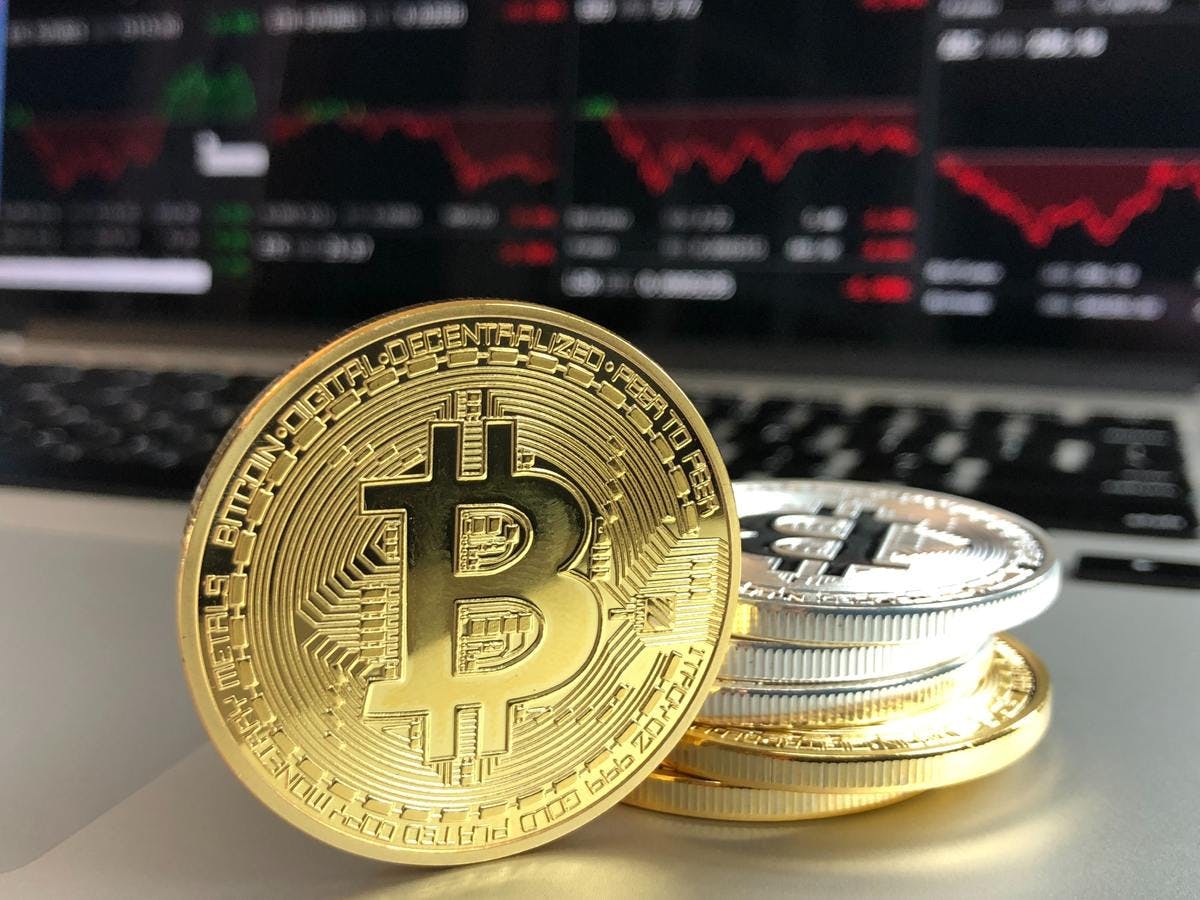
The largest bitcoin conference in the world took place last month in San Francisco with many early pioneers discussing why bitcoin has made a good investment for them and why bitcoin investments will do well long-term. You can view highlights from the Bitcoin conference here.
Bitcoin buyers fall into two camps (primarily). Those who trade the cryptocurrency and those who “stack Satoshis,” a term for stockpiling on bitcoin as a means of building long-term wealth. Stacking Satoshis may be the most successful tactic due to a few key iterations that bitcoin will go through to ultimately strengthen its price and reputation as a solid investment choice. Many bitcoin experts expect bitcoin to be at the height of its development in 2025.
There are key reasons as to why bitcoin will make a solid long-term asset over the next five years and may reach its peak as a new technology with mass adoption in seven to ten years. This 3-part series explores why strategically entering the bitcoin market at a good entry price will make a solid investment for the future.
Bitcoin Investment Cycle: Institutions
This is part of a larger 3-part bitcoin series. Subscribe for the next two phases of this series.
Bitcoin’s investment cycle is important to understand as the cryptocurrency has the potential for mass adoption as blockchain is built out. Although many are concerned with being too early to bitcoin investments, it may be more important to not be too late in building a small position with an entry that can withstand volatility.
Technologies go through various phases of adoption as the customers become more open to using the technology and forming new habits. The volatility seen in bitcoin is not uncommon for a startup venture; what is uncommon is that bitcoin is an investment, and you can track the inflow and outflow of money, which causes more uncertainty than usual for the general population who does not see the typical challenges that emerging technologies go through prior to reaching mass adoption. In other words, bitcoin’s volatility as it attempts to find product-market fit is not uncommon and will reduce over time.
We currently see similar volatility in autonomous vehicles and 5G supply and demand. Volatility is inherent in nascent technologies. The smartphone crawled before it could walk, with QWERTY Blackberry and Nokia phones leading to the evolution of touch screens and app stores.
Virtually every technology product on the market today has examples of volatility and early apathy towards the believability of its potential for scale. Relative to the disruption bitcoin seeks to bring to ancient-old financial systems, the volatility has been in-line with high risk/ high reward endeavors.
Bitcoin Investments Hinge on Secure Custody
Most people can imagine a world that runs on digital financial transactions as money today is exchanged digitally and cashless. For instance, China’s Ant Financial currently serves 5% of the world with a cashless application called AliPay. The United States has digital financial apps, such as the Apple Wallet, and Venmo is a popular method to exchange money between friends without fees.
One of the biggest hurdles for institutions, however, is not the idea of a world run on digital currencies, but rather the decentralization concept and the need for cryptocurrency storage. Institutional investors need to know the assets are secure, insured, and under the care of a trusted third party, per SEC rules, which requires advisers to keep client funds with a qualified custodian.
Custody solutions safeguard cryptocurrency, and go beyond private keys or wallets, which are subject to hacks or the misplacement of hard disk storage. The word “custody” refers to a third-party provider of storage and security services for cryptocurrencies. These services are aimed at institutions and hedge funds, and incorporate a combination of storage online for liquidity and storage that is disconnected from the internet. Vault storage is a popular method which keeps the majority of the crypto in offline storage with a minority in online storage. Upcoming modifications to the Glacier Protocol will strengthen high-security offline storage for bitcoin.
This year, many emerging custody solutions have been introduced to the market. In the first five months, six new custodians entered the market while a number of existing crypto custody providers have announced new features. There has been some M&A in the crypto custodian market, as well, and exchanges such as Coinbase, Gemini and itBit have launched custody solutions in an effort to push more institutional investors towards bitcoin and digital assets.
Bitcoin Futures to Launch for Institutions in July
Jeff Sprecher, the Chairman of Intercontinental Exchange (ICE) and Founder of the New York Stock Exchange (NYSE) and many other exchanges internationally, aims to create a federally-regulated crypto ecosystem. The consortium includes Microsoft, Starbucks and the Boston Consulting Group, who are working together to help leverage ICE’s trading infrastructure and to cater to retail investors, institutional investors, and consumers. This could help baby boomers put their 401K into bitcoin, and pave the way for bitcoin-backed ETFs or mutual funds.
Bakkt plans to launch its physically-settled bitcoin futures products for testing in July, according to the company’s blog post. At the core of Bakkt is the custody of digital assets for institutional clients. The first solution will be physical-delivery bitcoin futures traded on a federally regulated exchange and clearing house.
The trades will happen on ICE Futures US (IFUS) and will be cleared on ICE Clear US (ICUS). Bakkt will provide regulated custody as the company has filed with the New York Department of Financial Services for approval to become a trust company and to serve as a Qualified Custodian for digital assets.

The partnership with Starbucks is a core component for success as Starbucks’ mobile app has more users than Google Pay or Apple Pay.
Bakkt will use both warm (online) and cold (offline) wallet architecture to secure customer funds. The majority of assets are stored offline in air-gapped cold wallets and are insured with a $100,000,000 policy underwritten by global insurance carriers.
Security: Bakkt will use FIPS 140-2 level 3 or higher hardware security modules (HSM) to manage and secure its warm wallet cryptographic keys. The cryptographic systems will be secured in bank-grade vaults and datacenters that are protected with physical security.
Security is one area where the NYSE has already gained trust from institutions. Therefore, the barrier to entry is lower for Bakkt and institutions are likely to enter crypto futures with Bakkt being built on the same system as the NYSE.
Bitcoin Investments Will Get a Boost from Fidelity
Abigail Johnson, the CEO of Fidelity, has been a “believer” since 2017 when she introduced bitcoin and Ethereum mining in 2017 at a conference in New York.
“I’m a believer. I’m one of the few standing before you today from a large financial services company that has not given up on digital currencies.” – Abigail Johnson, 2017
In May, the company announced plans to launch a cryptocurrency trading service in the “next few weeks.” The Fidelity Digital Assets platform was created in October of 2018 with select hedge funds and family offices testing the platform for cryptocurrency custody and trade execution over the last few months.

Fireblocks, a platform for securing digital assets in transit, announced a $16 million Series A funding round from investors including the proprietary investment arm of Fidelity, Eight Roads. The startup helps to safeguard the transmission of digital assets across exchanges by building a cloud-based security platform as the current process of moving digital assets is susceptible to cyber-attacks and human errors.
Fidelity interviewed 450 institutions and found that 22 percent already own cryptocurrency and those that own crypto plan to double their allocation over the next five years. The long-term interest from institutions stems from the asset being seen as an uncorrelated risk during an economic crisis (more on this in Part 2 of this series “global economic uncertainty” – follow me for updates).
Forty-seven percent of institutions believe digital assets are worth investing in, according to the survey released by Fidelity on May 2nd. Fidelity will only serve institutions for now while Robinhood and E*Trade serve retailers.
Dose of Reality with Bitcoin Investments
Bitcoin is on the inflection point of institutional adoption, but it’s important to remember it has been there for almost two years. Several attempts to launch a Bitcoin-based ETF in 2018 and 2019 have fallen through as the SEC either rejected or delayed the proposals due to market manipulation.
Reports published on the SEC website claim that up to 95% of crypto volume on unregulated exchanges is fake, legitimizing the concerns from the SEC and regulators that bitcoin is subject to market manipulation. The presentation was prepared by Bitwise in March of 2019.
There was a follow up whitepaper in May of 2019 that concluded the fake volumes do not affect price discovery in the real bitcoin spot market. The new white paper reiterates that a great number of advances and tools, such as the launch of regulated bitcoin futures and algorithmic trading, “dramatically improve the efficiency” of BTC markets.
The ten exchanges which showed 100% real volume include: Binance, Bitfinex, bitFlyer, Bitstamp, Bittrex, Coinbase Pro, Gemini, itBit, Kraken and Poloniex. Meanwhile, 73 exchanges were condemned by the presentation as contributing to high percentages of fake volumes.
Conclusion:
What you know of bitcoin today as an investment choice will change rapidly over the next 5-10 years with a few key phases of adoption and iterations that will strengthen its price and prospect as a good investment. Today, bitcoin’s price is based on retail traders and crypto enthusiasts. To not believe bitcoin will saturate other markets would require acute, bearish incredulousness.
Investors in bitcoin today need a few things to happen for the currency to achieve price stability and to reach its long-term potential as a good investment for buy and hold portfolios. If you want to swim with the stream, then look for a great entry price where you can hold the cryptocurrency long term until these phases are built out (again, this will take 5-7 years – maybe 10 years). I’ll be expanding on this point in the other parts of this series.
Sign up below for my free newsletter.
Recommended Reading:
Highlights from Bitcoin Conference 2019
Will Facebook Cryptocurrency Have A Long-Term Impact?
Uber Stock Had Disappointing Q1 Earnings: So Why Did the Price Go Up?
Image from Crypto Head
Highlights from Bitcoin Conference 2019

Last week, the world’s largest bitcoin conference took place in San Francisco. Despite bitcoin holding a $200 billion market cap in Q2 2019, cryptocurrency conferences receive less press than tech conferences from companies with comparable market caps, such as Oracle World, Dream Force or even Oktane, a conference by a company with a fraction of the market cap that receives ample press coverage.
Despite naysayers, Bitcoin has proven to be a revolutionary, digital asset. Worst case scenario, if you had invested in bitcoin as a long-term investment at the height of each bubble and sold at the bottom of the crash (due to terrible luck and timing), you would have seen 82-fold returns from $39 to $3,200 over the last decade or 3-fold returns from $1,151 to $3,200. There are those who bought at $19,000 who are still licking their wounds, but these were not long-term investors.

Quite a few of the speakers at the conference have been holding bitcoin since its early days as a long-term investment. There are key reasons as to why bitcoin will make a solid long-term asset over the next five years and may reach its peak as a new technology with mass adoption in seven to ten years. Follow me for a three-part series entitled: “Is Bitcoin a Good Investment” with analysis on three important phases to the bitcoin tech cycle: institutional adoption, global economic uncertainty and digital payments.
Privacy and Bitcoin
One of the highlights at the Bitcoin Conference 2019 was a fireside chat with Edward Snowden (yes, that Edward Snowden), who dialed into the conference for a thirty-minute webcast on privacy. The crowd was ecstatic to say the least, as technologists and privacy advocates are usually one and the same. When you work in the industry, you see too much and know too much to be complacent over privacy, and bitcoin technologists are no exception.
Hackers endorsing bitcoin can be a double-edged sword, however, as institutions circle the cryptocurrency with no official adoption just yet (i.e. SEC regulated platform). The cryptocurrency is well adopted in the hacker community and will now require broader adoption to see its full potential.
Onion routing is one method of concealing location and online activity from network surveillance or traffic analysis. Tor Project is a group of developers who offers onion routing to reduce the likelihood of sites tracing actions and data back to a user. Going beyond a Virtual Private Network, onion routing conceals IP addresses although the use of Tor can be traced.
Isabela Bagueros of Tor Project spoke at the Bitcoin Conference 2019 and her message was clear – that VPNs are centralized and not to be trusted for anonymity. The proliferation of bitcoin and concerns around financial privacy will likely draw more attention in the years to come as Bitcoin has an inherent, anonymity issue as every transaction is public data. Meanwhile, specific solutions that combine full anonymity over a computer network and the use of blockchain and/or bitcoin have not been developed at this time. Bitcoin is a step direction towards financial privacy, but as many of the panelists pointed out, there’s still more to be done.
Bitcoin Vs. Libra
Tim Draper is well-known in the startup scene and is a founding partner of Draper Fisher Jurvetson. He has been an early advocate of bitcoin and one of the more publicized spokespeople on the topic, especially around his first prediction that bitcoin would hit $10,000 (this came true), a second prediction that it will hit $100,000 and his current prediction that bitcoin will hit $250,000 by 2023.
When Draper was asked about the effects of Facebook’s Libra coin, he pointed out that two drawbacks is the coin relies on fiat currencies and is also controlled by Facebook, and therefore, goes against the ideals of decentralized cryptocurrencies.
During a panel that included Max Keiser of the Keiser Report, Bill Barhydt of Abra and Anthony Pompliano of Morgan Creek Digital, Libra was seen as potentially a positive thing for introducing crypto wallets to the 2+ billion users across Facebooks apps. At the very least, Libra will normalize the concept of carrying crypto and transacting in crypto even if there is little success with the Libra currency.
Dovey Wan, the founding partner of Primitive, expressed on a separate panel that Libra is not much different than AliPay, a digital payments platform used in China that does not require cash or credit cards to transact.
Facebook is not the only company placing large bets on the future of crypto. During the same week as the conference, Hotels.com announced a partnership with Lolli to reward Hotel.com customers with micro units of Bitcoin. Moneygram also recently announced that Ripple will be its main partner for cross-border transactions that use digital assets.
In my upcoming three-part series entitled “Is Bitcoin a Good Investment,” I cover three important phases to the bitcoin tech cycle: adoption by institutions, global economic uncertainty and digital payments.
Recommended Reading:
Will Bitcoin Make a Good Investment? Part 1: Institutional Adoption
Will Facebook’s Cryptocurrency Have a Long-Term Impact?
Uber IPO